Can You Paint Vinyl Siding? When to Paint vs. Replace It
October 20, 2026
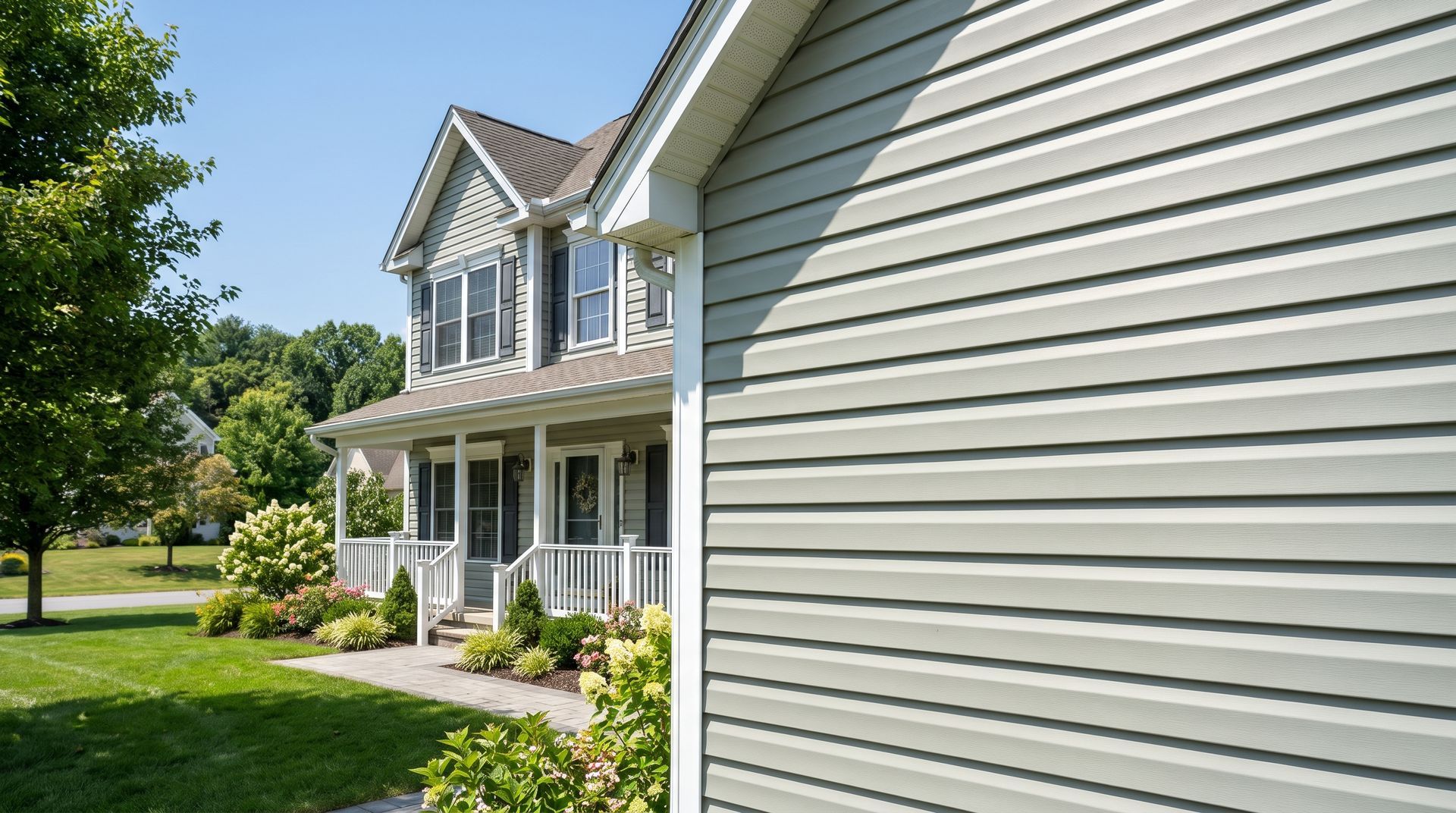
Yes, you can paint vinyl siding, as long as the siding is still in good shape and you use the right paint. The key is a high-quality exterior acrylic or urethane-modified acrylic paint formulated for vinyl, in a color that is the same as or lighter than the original, or one specifically labeled vinyl-safe. Dark colors that are not formulated for vinyl absorb heat and can make panels warp and buckle. Painting makes sense when siding is faded but solid. When panels are cracked, warped, loose, or hiding moisture problems, replacement is usually the better investment. Painting may also affect your siding manufacturer's warranty.
Ready Roof is a licensed and insured exterior contractor based in Bohemia, led by owner Ryan Coyne, a third-generation carpenter, serving homeowners across Nassau and Suffolk Counties with siding, roofing, and gutters. We are often called to look at faded vinyl siding that a homeowner is thinking about painting, and this guide shares what we tell them.
In This Guide
- When Painting Vinyl Siding Makes Sense: Good candidates.
- When Replacement Is the Better Choice: Signs paint will not help.
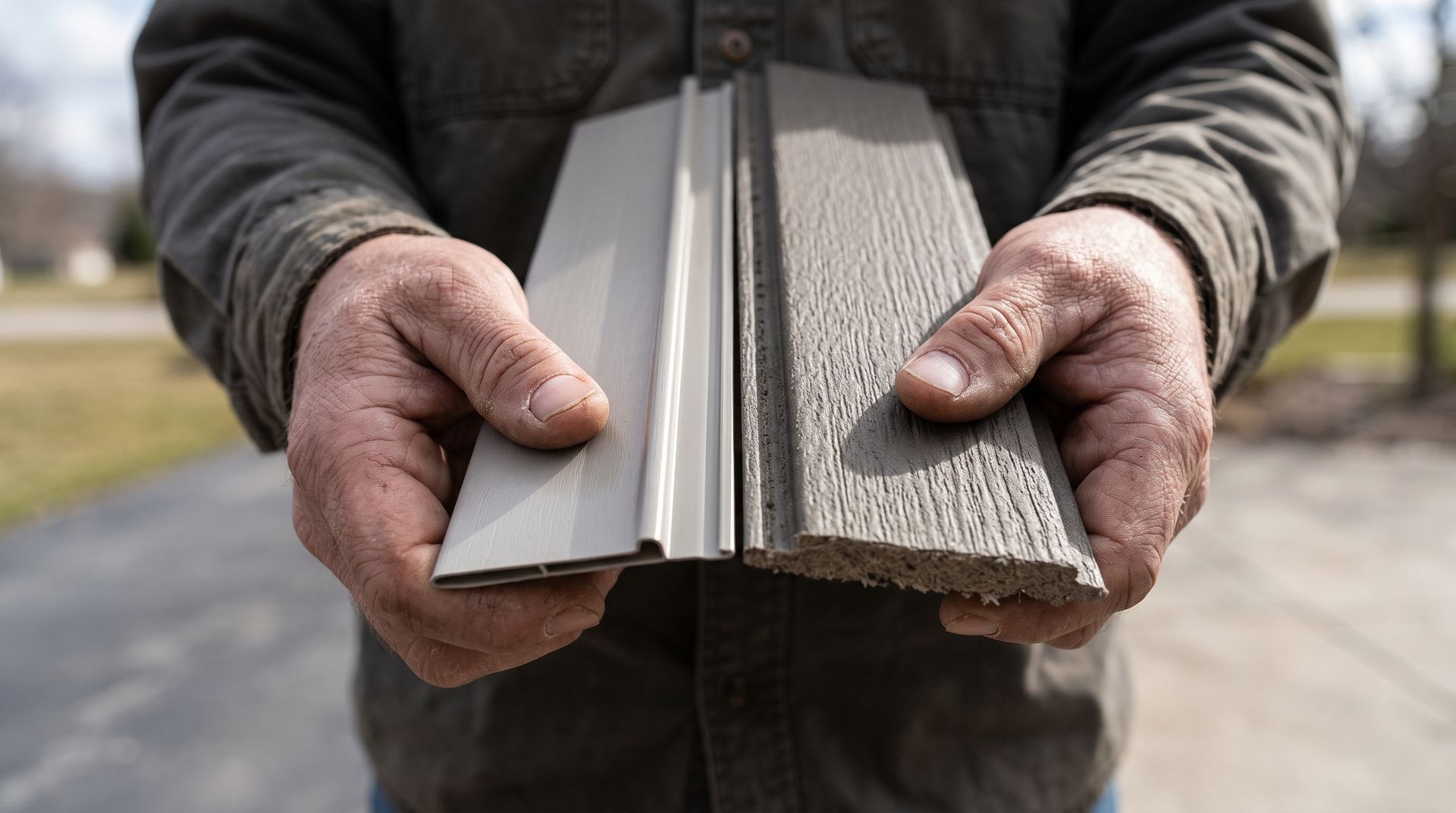
- Painting vs. Replacing at a Glance: Side by side.
- Choosing the Right Paint and Color: Avoiding warping.
- How Vinyl Siding Is Painted Properly: Prep and application.
- How Long Paint Lasts on Vinyl: What to expect.
- What Painting Costs Compared With Replacement: Short and long term.
- Signs a Paint Job on Vinyl Is Failing: What to watch for.
- Painting Trim, Shutters, and Doors Instead: A lower-cost refresh.
- Warranty and Resale Considerations: Before you paint.
- Alternatives to Painting: Cleaning and partial replacement.
- Frequently Asked Questions: Quick answers.
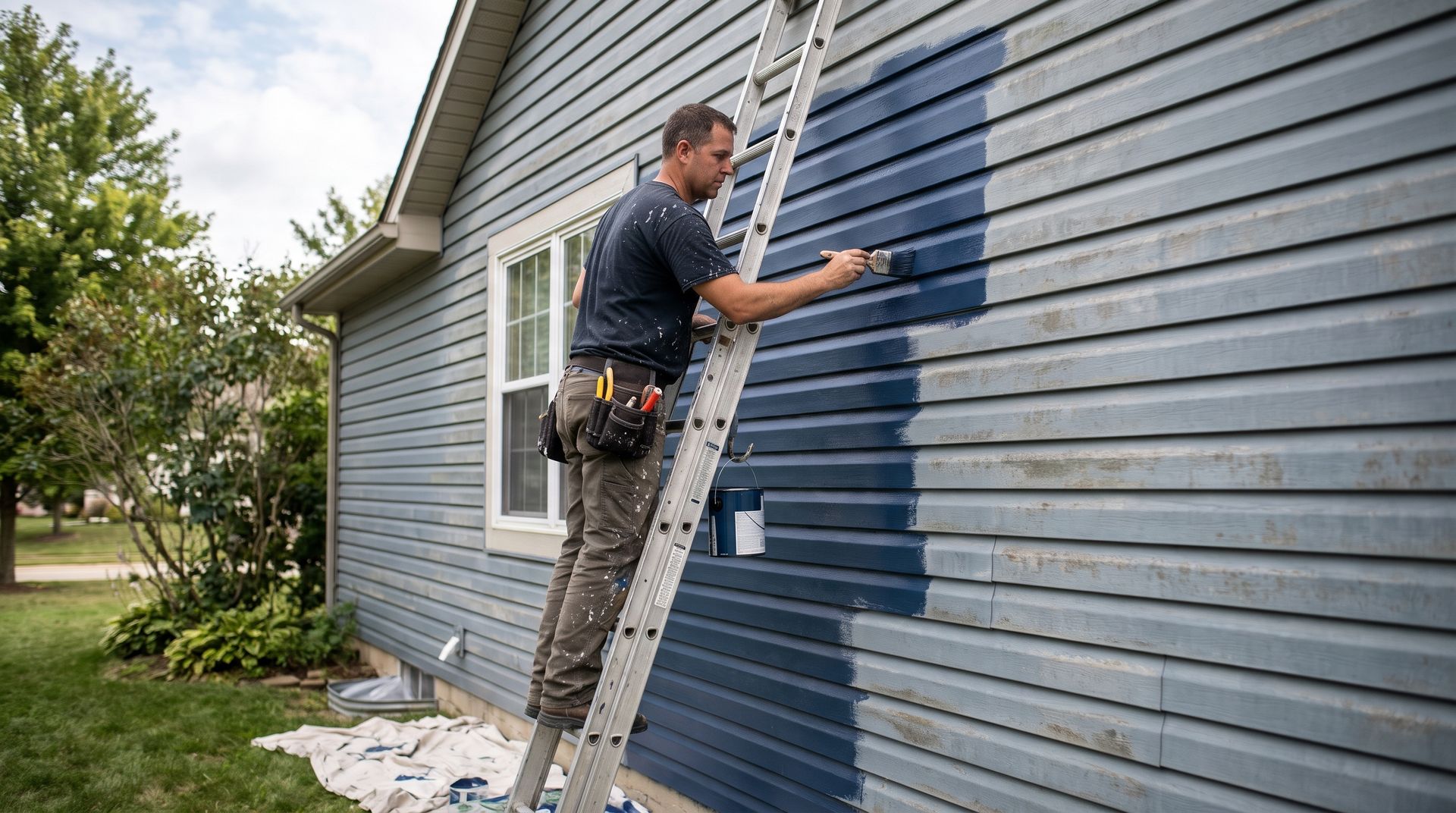
When Painting Vinyl Siding Makes Sense
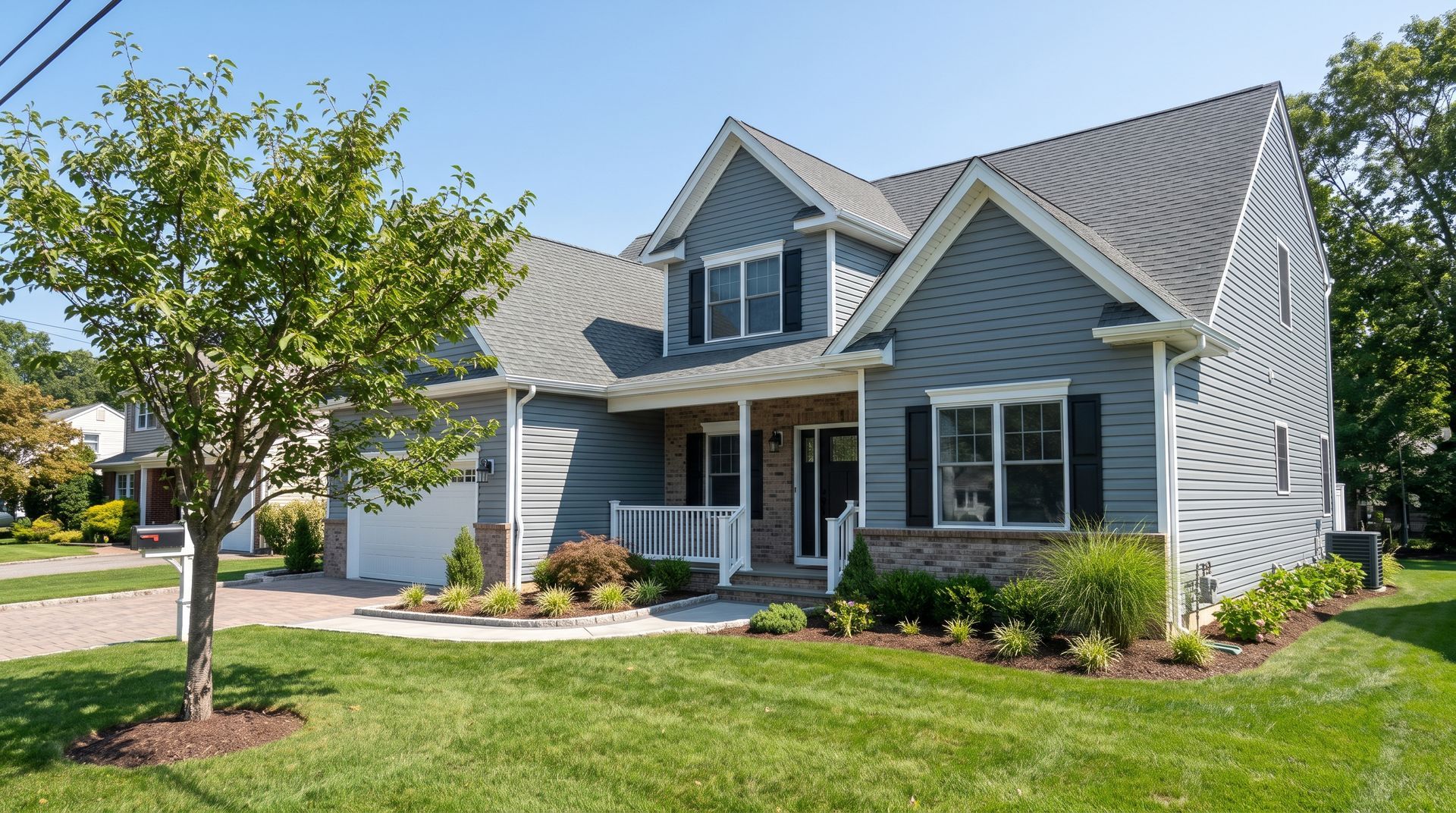
Painting is a reasonable option in a specific set of situations:
- The siding is structurally sound, with no widespread cracks, warping, or loose panels.
- Fading is the main problem, and the siding looks tired but performs well.
- You want a refresh on a budget and are not ready for full replacement.
- You plan to keep a similar or lighter color, or choose a color labeled as safe for vinyl.
- You are preparing to sell and want better curb appeal without a major project.
In these cases, a good paint job can make a home look noticeably better for years.
When Replacement Is the Better Choice
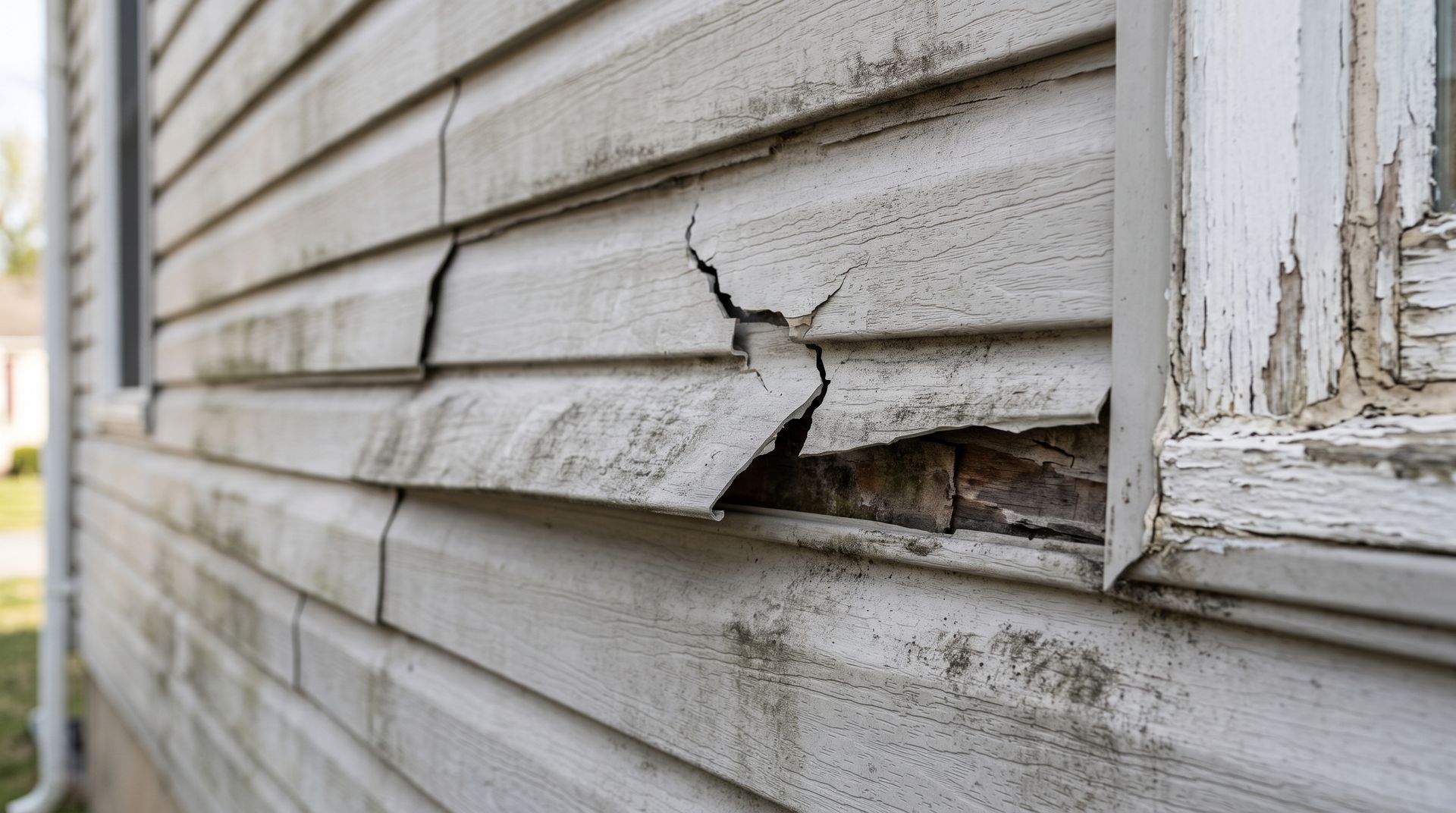
Paint covers color. It does not fix failing siding. Replacement usually makes more sense when:
- Panels are cracked, warped, or buckling in several areas.
- Panels are loose or have blown off in storms.
- There are signs of moisture behind the siding, such as soft walls, mold, or peeling paint on interior exterior walls.
- The siding is 25 to 30 years old or more and brittle.
- You want a dark color and the existing siding is light.
- You are also replacing windows or the roof, making it a good time to redo the whole exterior.
Our guide on
how long vinyl siding lasts explains how to tell when siding is near the end of its life.
Painting vs. Replacing at a Glance
| Factor | Painting Vinyl Siding | Replacing Vinyl Siding |
|---|---|---|
| Upfront cost | Lower | Higher |
| Fixes cracks and warping | No | Yes |
| Lets you inspect the wall | No | Yes, sheathing is exposed |
| Color options | Limited by heat and vinyl-safe colors | Wide range, including dark colors |
| Ongoing maintenance | Repainting every several years | Little beyond washing |
| Effect on siding warranty | May void it | New product warranty |
| Best for | Sound siding that is faded | Damaged, old, or moisture-affected siding |
Choosing the Right Paint and Color
The two biggest mistakes with painting vinyl are the wrong paint and the wrong color.
Use Paint Made for Vinyl
Choose a premium exterior paint formulated for vinyl, usually a 100 percent acrylic or urethane-modified acrylic. These paints flex as the siding expands and contracts with temperature changes. Oil-based paints and cheaper paints can crack and peel.
Watch the Color
Vinyl siding expands as it heats up. Dark colors absorb more sunlight and can push the siding past the temperature it was designed for, causing warping and buckling. As a rule, choose a color the same shade or lighter than the original, unless the paint manufacturer offers a vinyl-safe color line designed to reflect more heat in darker shades. Major paint brands offer specific vinyl-safe color palettes for this reason.
Consider Your Exposure
South- and west-facing walls and walls that catch reflected sunlight from neighbors' windows get the hottest. Those are the areas most likely to warp with darker paint.
How Vinyl Siding Is Painted Properly
A long-lasting paint job depends on preparation and conditions.
Cleaning
The siding is washed thoroughly to remove dirt, chalky residue, mildew, and algae. On Long Island, north-facing walls and shaded areas often have green or black growth that must be removed.
Repairs
Cracked or damaged panels are replaced before painting. Painting over a crack will not stop water from getting in.
Test a Small Area
Before committing to the whole house, painting a small, less visible section and watching it through a few hot days shows how the color and product perform on your siding.
Priming
Many vinyl-rated paints do not need a primer on clean, sound siding. Siding that is very chalky or weathered may need a bonding primer.
Application
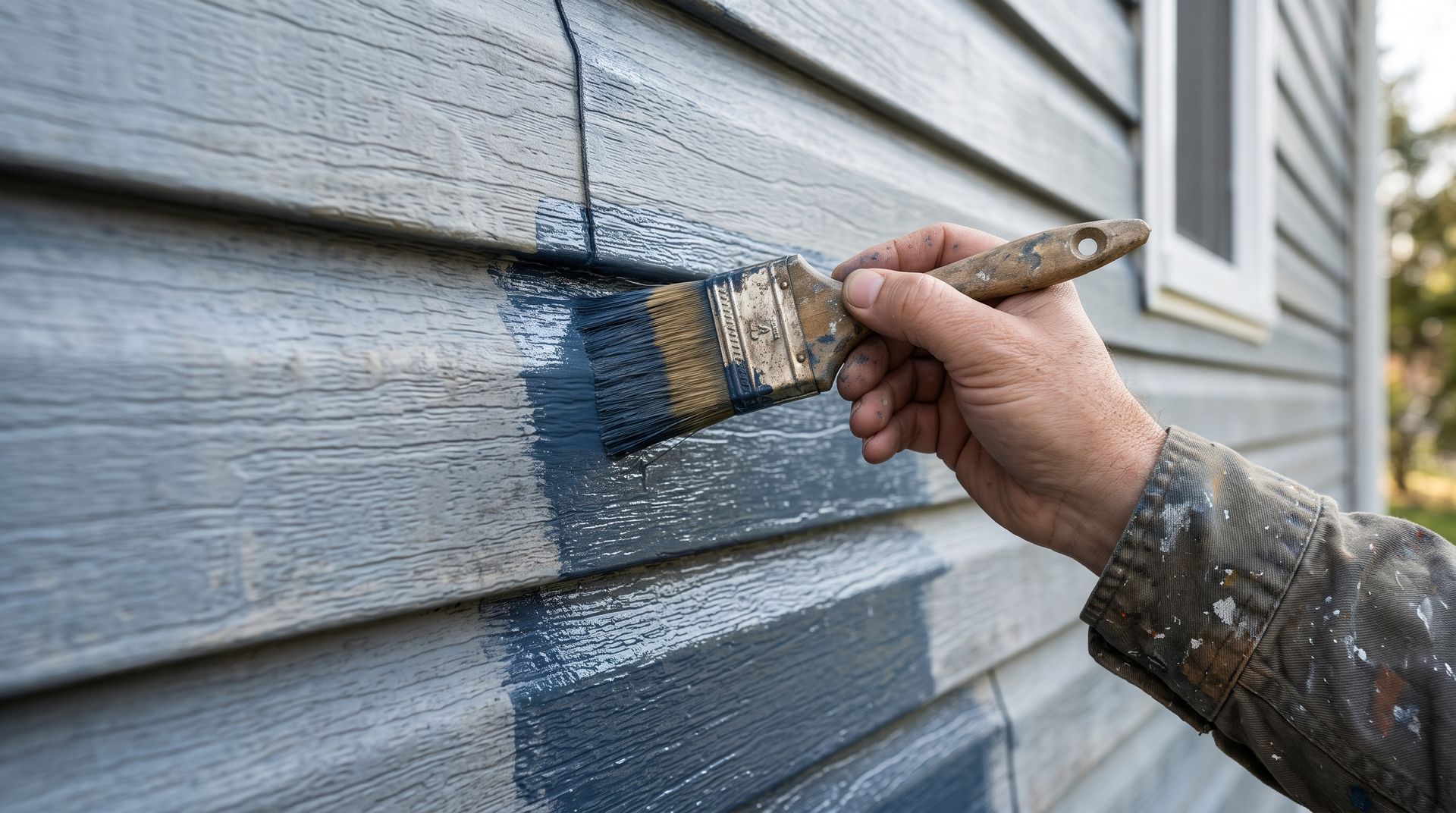
Paint is applied in dry, mild weather, typically within the temperature range listed on the product, avoiding direct afternoon sun, rain, and high humidity. Two coats are common for good coverage and durability. Trim, corners, and the undersides of panel laps take extra care so that the finished job looks uniform from the street.
Professional vs. DIY
Painting a two-story home safely requires ladders or lifts and careful work around trim and windows. Many homeowners hire a painting contractor for the job.
How Long Paint Lasts on Vinyl
A quality paint job on properly prepared vinyl siding commonly lasts several years, often somewhere in the range of 5 to 10 years, depending on sun exposure, color, and the product used. Walls that face the sun and the ocean breeze tend to fade faster. Lighter colors usually hold up longer than mid-tones because they absorb less heat.
Repainting
Once painted, siding will need to be repainted periodically, which is one of the main trade-offs compared with unpainted vinyl. Factor that ongoing cost into your decision.
What Painting Vinyl Siding Costs Compared With Replacement
Painting
The cost of painting vinyl siding depends on the size of the home, the number of stories, how much cleaning and repair is needed, and the paint you choose. For a typical Long Island home, a professional paint job usually costs a fraction of full replacement, often in the range of several thousand dollars.
Replacement
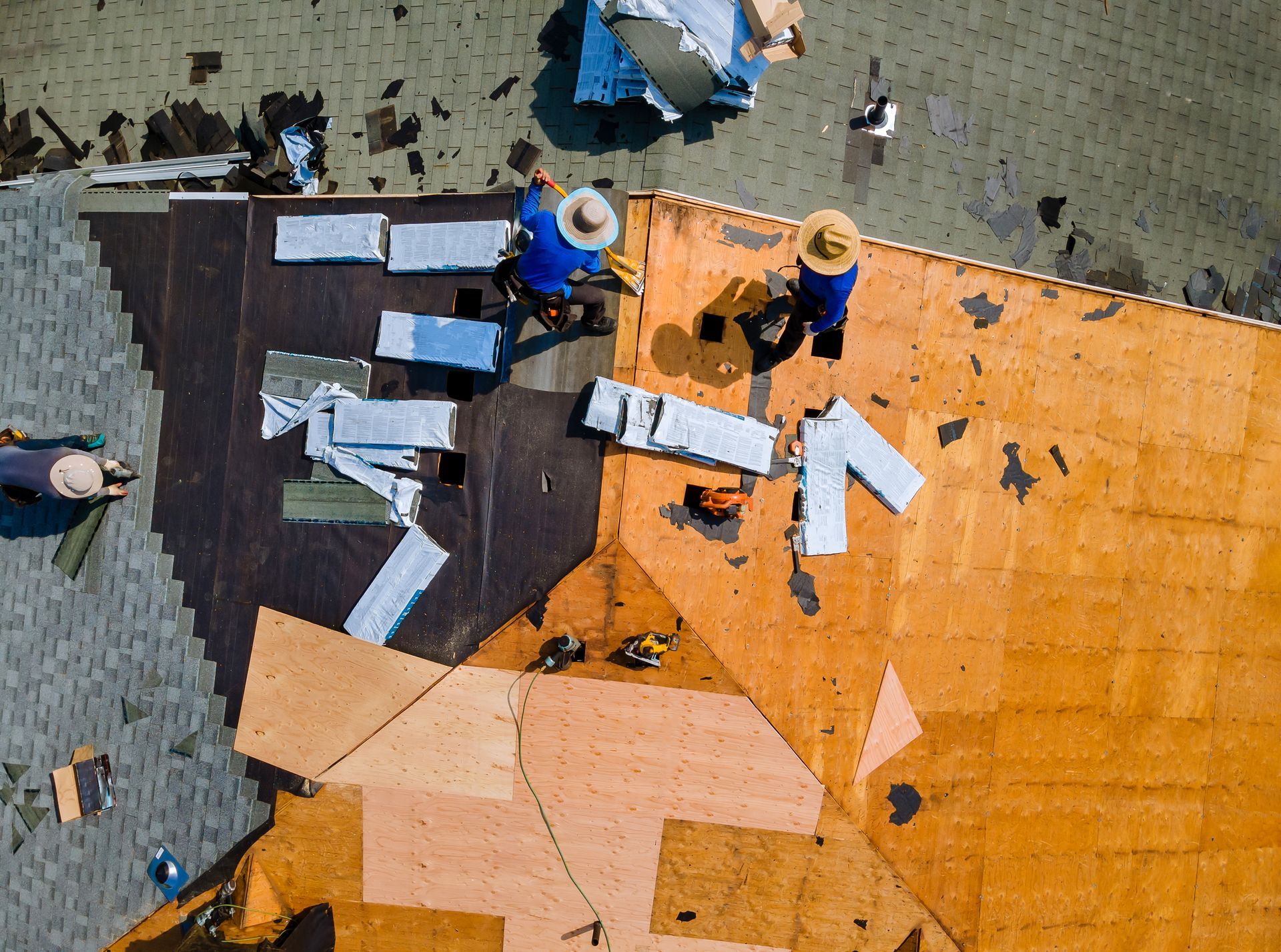
Full vinyl siding replacement on Long Island commonly runs about $5 to $14 per square foot depending on the product tier, or roughly $10,000 to $30,000 for many homes. That buys new material, a new weather barrier, and decades of service without repainting.
Looking at the Long Term
When comparing the two, include repainting. If paint lasts about 5 to 10 years, a homeowner who keeps the house for 20 years may paint two or three times. On siding that is already near the end of its life, that money often goes further toward replacement.
Signs a Paint Job on Vinyl Is Failing
If your siding has already been painted, watch for these signs:
- Peeling or flaking, especially on sunny walls.
- Warped or wavy panels that were flat before painting, often from a color that was too dark.
- Chalky residue that rubs off on your hand.
- Mildew or algae returning quickly on shaded walls.
- Uneven fading between the sunny and shady sides of the house.
Warped panels from a dark paint color usually cannot be fixed by repainting. Those panels need to be replaced.
Painting Trim, Shutters, and Doors Instead
Sometimes the best refresh does not involve the siding at all. Painting the front door, shutters, and trim in a fresh color can change a home's look dramatically for far less money. Wood and PVC trim, as well as many shutters, accept paint more easily than vinyl siding. They also make up a smaller area, so the job is faster and less expensive. Pairing a new front door color with clean, well-washed siding is one of the most cost-effective curb appeal upgrades we see on Long Island homes. If the siding itself still looks tired after that, it may be time to think about replacement.
Warranty and Resale Considerations
Siding Warranties
Some vinyl siding manufacturers state that painting the siding can void or limit the product warranty, especially if the color causes heat distortion. Check your siding warranty before you paint. If the siding is older and the warranty has expired, this may not matter.
Resale
A fresh, well-done paint job can improve curb appeal before a sale. A poorly done one, with peeling, streaking, or warped panels, can hurt it. Buyers may also ask whether siding has been painted, since it affects future maintenance. Keep receipts and product details from the paint job to share with buyers and inspectors.
Alternatives to Painting
Before painting, consider whether another option fits better.
A Thorough Cleaning
Sometimes what looks like fading is dirt, mildew, and chalking. A careful wash can make vinyl look much better without paint. Use a soft brush or low-pressure rinse with a siding cleaner, since high-pressure washing can force water behind the panels.
Replacing Damaged Sections
If only one side of the house is damaged or faded, replacing those panels may be possible, though matching older siding colors can be difficult.
Replacing Accent Areas
Some homeowners keep the main siding and replace gables or a front section with a contrasting siding, such as shakes or board and batten, to refresh the look.
Full Replacement
When the siding is old, damaged, or you want a completely new look, replacement delivers a new product, new color, and a chance to fix the wall behind it. Our guide to
siding installation cost on Long Island covers pricing, and our comparison of
vinyl siding vs. fiber cement can help you choose a material.
Long Island Conditions to Keep in Mind
Long Island's climate adds a few considerations. Salt air and humidity near the bays and ocean encourage mildew and can shorten paint life. Strong summer sun on the South Shore fades paint faster on exposed walls. Winter freeze-thaw cycles keep vinyl moving all year, which is why flexible, vinyl-rated paint matters. If your siding is near the end of its life, paint will only hide the problem for a short time.
Older Homes and Original Siding
Many Long Island homes built or resided in the 1980s and 1990s still have their original vinyl. After 30 or more years of sun and salt air, that siding is often brittle, and the color may have faded unevenly. Painting can still improve its look, but brittle panels crack easily when ladders lean against them during painting. On siding this old, we usually recommend pricing out both options before deciding.
Get a Professional Opinion Before You Paint
If you are not sure whether your siding is a good candidate for paint, we can inspect it and tell you whether painting, repair, or replacement makes the most sense. Learn more about our siding services, see finished projects in our gallery, or ask about financing.
Call Ready Roof at (631) 892-9165 or
contact us for a free estimate. We serve homeowners throughout Nassau and Suffolk Counties.
Frequently Asked Questions
Can you paint vinyl siding a darker color?
Only with paint specifically formulated as vinyl-safe for darker shades. Standard paints in darker colors absorb more heat and can cause vinyl to warp or buckle. Without a vinyl-safe product, choose a color the same as or lighter than the original.
What kind of paint do you use on vinyl siding?
Use a premium exterior 100 percent acrylic or urethane-modified acrylic paint formulated for vinyl. These paints flex with the siding as it expands and contracts.
How long does paint last on vinyl siding?
A quality paint job on well-prepared siding often lasts about 5 to 10 years, depending on sun exposure, color, and product quality.
Does painting vinyl siding void the warranty?
It can. Some manufacturers limit or void warranties on painted siding, especially if the color causes heat distortion. Check your warranty before painting.
Is it cheaper to paint or replace vinyl siding?
Painting usually costs less upfront. However, painted siding needs periodic repainting, and paint does not fix cracked, warped, or loose panels. If the siding is damaged or near the end of its life, replacement is often the better long-term value.
Recent Posts