Vinyl Siding vs. Fiber Cement: Which Is Better for Your Home?
October 6, 2026
Vinyl siding is the better choice if your priorities are lower upfront cost and minimal maintenance. Fiber cement is the better choice if you want maximum durability, impact and fire resistance, and a premium painted look, and you are willing to pay more upfront and repaint every decade or so. On Long Island, vinyl projects commonly run about $5 to $14 per square foot depending on the product tier, while fiber cement usually runs about $12 to $20. Vinyl often lasts 20 to 40 years, and fiber cement often lasts 30 to 50 years with proper installation and maintenance. Both perform well here when installed with good house wrap and flashing.
Ready Roof is a licensed and insured exterior contractor based in Bohemia, led by owner Ryan Coyne, a third-generation carpenter, installing vinyl and fiber cement siding across Nassau and Suffolk Counties. We install both materials, so we do not have a reason to steer you toward one. This guide compares them on the factors that matter most to Long Island homeowners.
In This Guide
- Vinyl vs. Fiber Cement at a Glance: Side-by-side comparison.
- Cost: Upfront and Over Time: What you will spend.
- Durability and Lifespan: How each holds up.
- Performance in Long Island Weather: Wind, salt, and freeze-thaw.
- Maintenance: What each needs over time.
- Appearance and Style: Looks and color options.
- Fire, Impact, and Pest Resistance: Safety and durability.
- Installation Differences: Why fiber cement costs more to install.
- Energy Efficiency: Insulated vinyl and fiber cement.
- Repairs and Color Matching: Fixing damage later.
- Warranties Compared: What to ask for.
- Which Siding Fits Your Home?: Matching material to goals.
- Frequently Asked Questions: Quick answers.
Vinyl vs. Fiber Cement at a Glance
| Factor | Vinyl Siding | Fiber Cement Siding |
|---|---|---|
| Typical installed cost on Long Island | About $5 to $14 per sq ft | About $12 to $20 per sq ft |
| Typical lifespan | About 20 to 40 years | About 30 to 50 years |
| Maintenance | Occasional washing | Washing plus repainting over time |
| Impact resistance | Moderate, can crack in cold | High |
| Fire resistance | Melts and can burn | Highly fire resistant |
| Weight | Light | Heavy |
| Appearance | Wide range of colors and profiles | Painted look, crisp lines, wood-like textures |
| Installation | Faster, simpler | Slower, needs more labor and special handling |
Cost: Upfront and Over Time
Upfront Cost
Vinyl is the more affordable option. Economy vinyl starts at the low end of the range, while premium and insulated vinyl approach the low end of fiber cement pricing. Fiber cement costs more because the material is more expensive, heavier, and slower to install. For a typical Long Island home, vinyl replacement often runs about $10,000 to $30,000, while fiber cement projects are commonly higher.
Long-Term Cost
Fiber cement needs repainting periodically, which adds to its lifetime cost. Vinyl typically does not need painting. However, fiber cement's longer lifespan and greater durability can offset some of that cost over decades. Our guide to siding installation cost on Long Island breaks down material and labor costs for both.
Resale
Both materials help a home show well. Fiber cement's premium look can appeal to buyers in higher-end neighborhoods, while quality vinyl is widely accepted and expected in many Long Island communities.
Durability and Lifespan
Vinyl
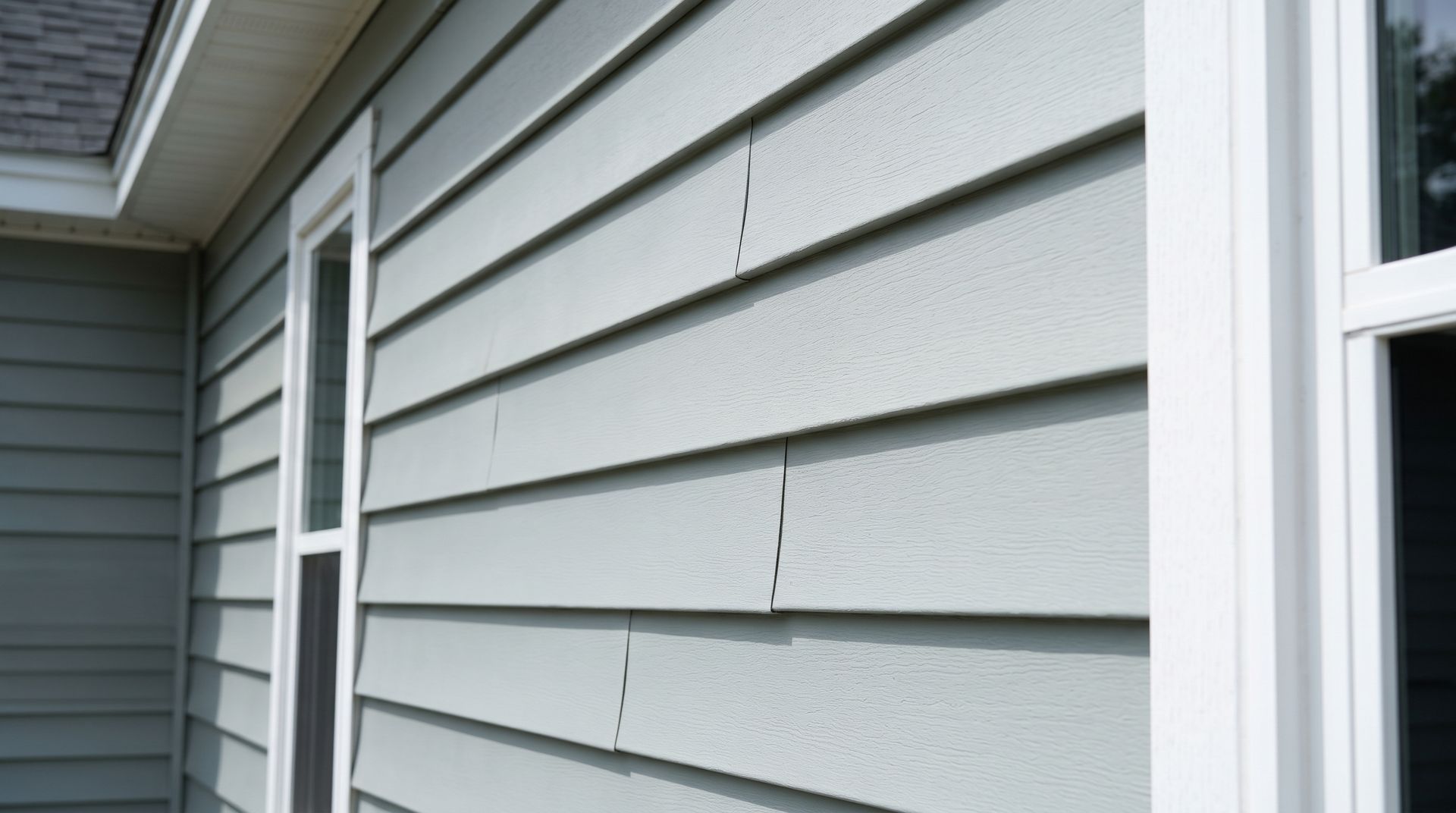
Quality vinyl siding commonly lasts 20 to 40 years. It does not rot, and it resists moisture well, but it becomes more brittle with age and cold, and it can crack from impacts or warp from excessive heat. Our guide on how long vinyl siding lasts explains how it ages.
Fiber Cement
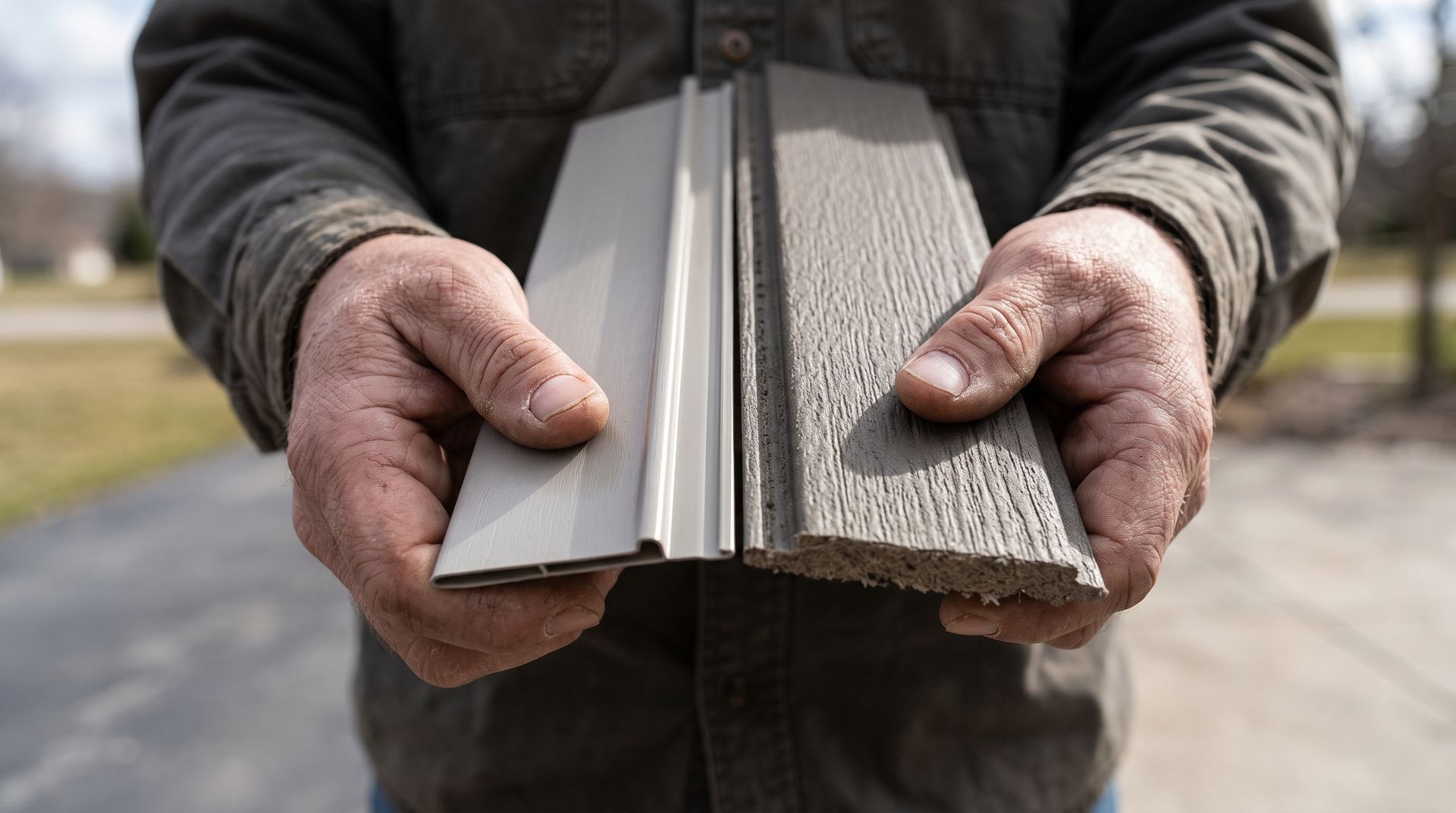
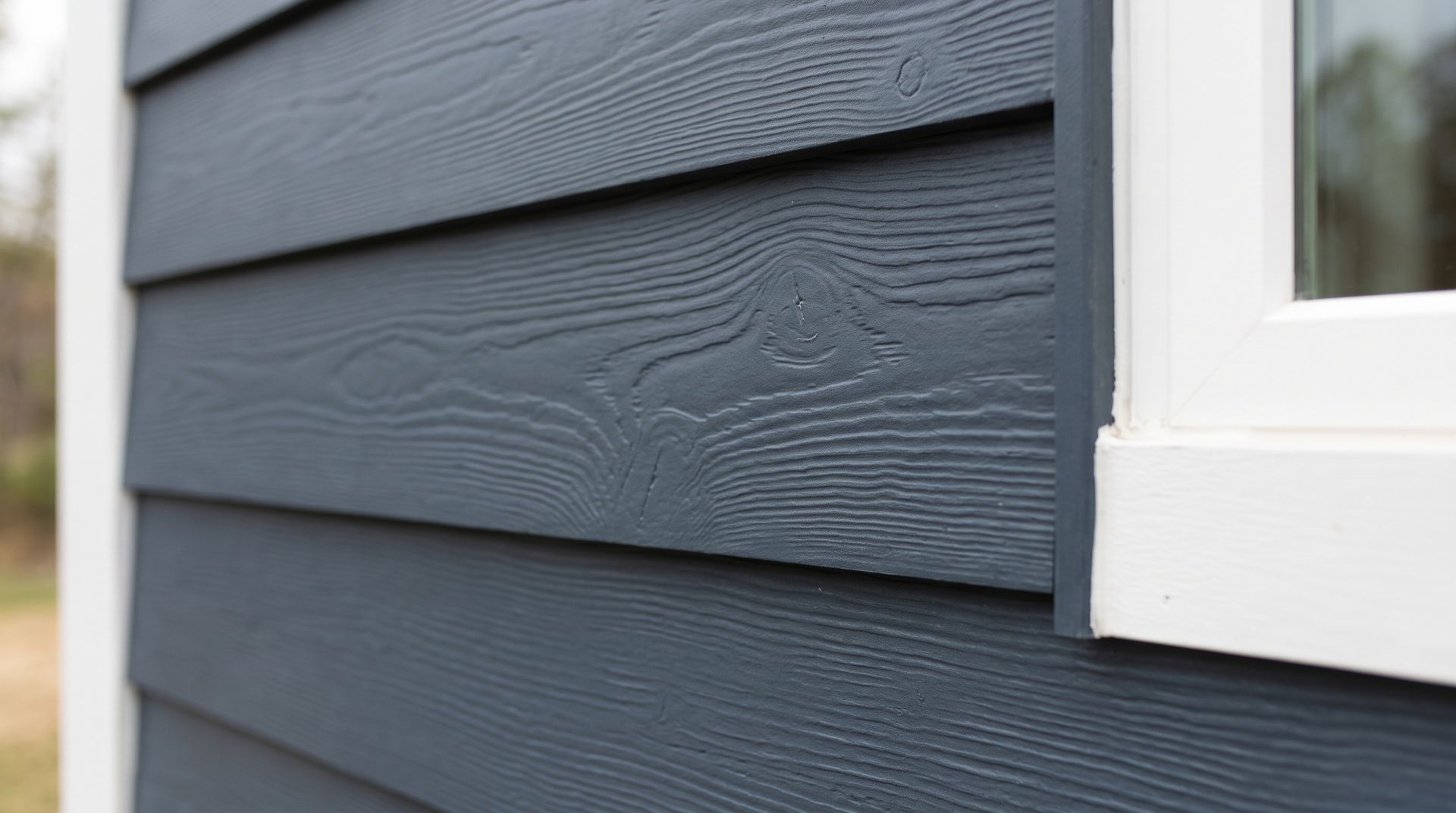
Fiber cement, made from cement, sand, and cellulose fibers, is rigid and dense. It resists dents, cracks, and warping, and it often lasts 30 to 50 years. Its factory or field-applied paint finish is what wears over time, not the board itself.
Performance in Long Island Weather
Wind
Both materials can perform well in wind when installed correctly. Vinyl relies on proper nailing and locking, and premium and insulated vinyl lie flatter and resist wind better than economy grades. Fiber cement's weight and rigidity help it stay put in strong storms.
Salt Air and Humidity
Neither material corrodes in salt air. Vinyl can grow mildew on shaded walls and needs washing. Fiber cement needs a good paint finish to keep moisture out of cut edges, and it requires proper clearances from the ground and roofline.
Freeze-Thaw
Vinyl expands and contracts significantly with temperature changes, which is why proper installation gaps matter. Fiber cement moves very little, which helps paint and caulk joints hold up. Some fiber cement products are specifically formulated for climates with freeze-thaw cycles and wet winters like ours.
Sun
South- and west-facing walls take the most sun. Vinyl fades and can warp from reflected heat. Fiber cement paint finishes also fade but can be repainted any color.
Maintenance
Vinyl
Vinyl needs very little: an annual gentle wash to remove dirt, mildew, and salt residue, and prompt replacement of any cracked or loose panels. Trimming shrubs away from the walls helps it stay clean longer. If it fades, some homeowners consider painting, which has its own trade-offs, as we explain in our guide on whether you can paint vinyl siding.
Fiber Cement
Fiber cement also needs washing, plus periodic caulking at joints and trim and repainting when the finish wears. Factory-finished fiber cement holds color longer than field-painted boards, often for many years, before repainting is needed.
Appearance and Style
Vinyl
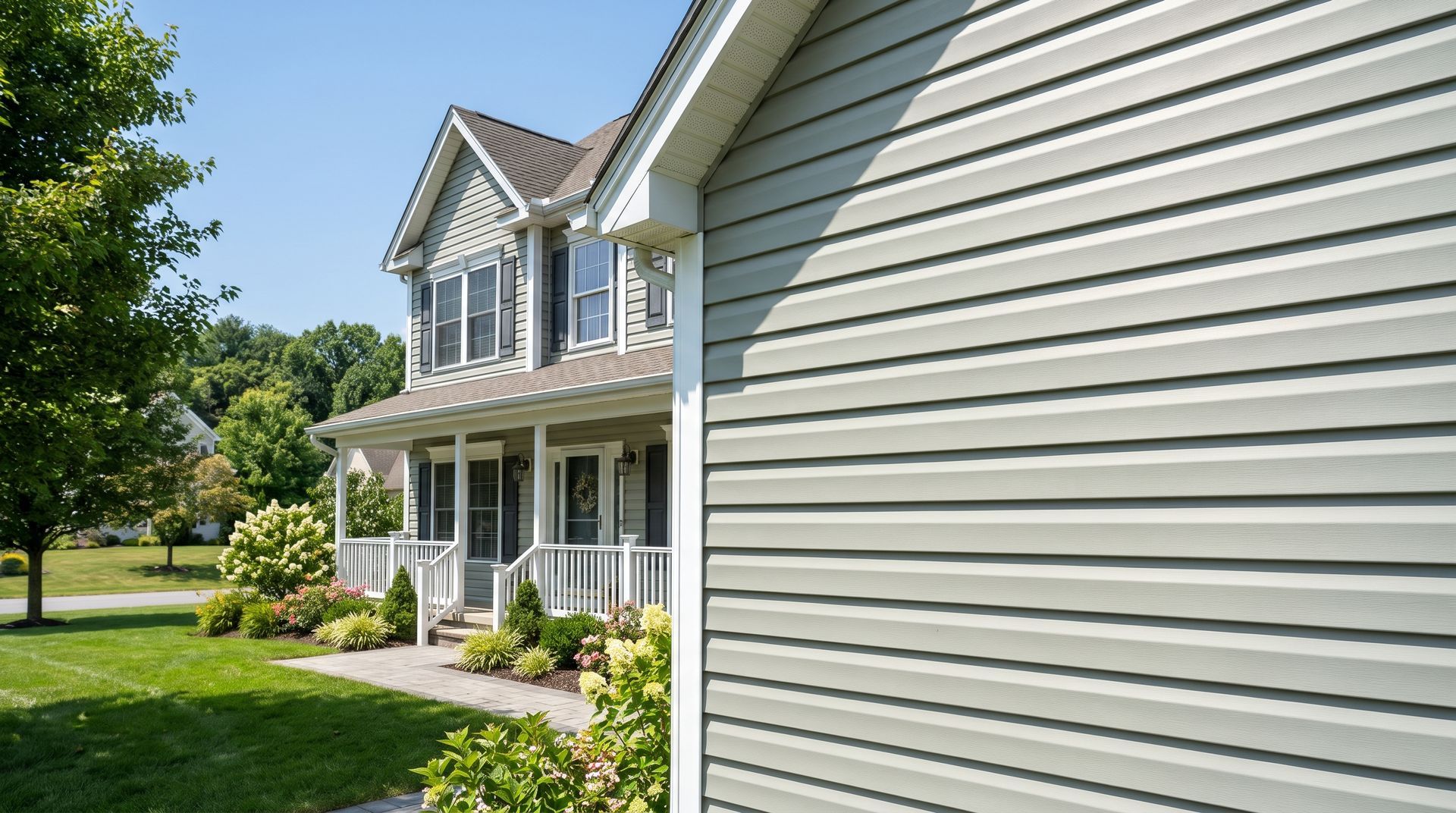
Vinyl comes in many colors, profiles, and textures, including traditional lap, Dutch lap, board and batten, and shake styles. Modern vinyl looks far better than older products, though close up it can still look like vinyl, especially in lighter grades.
Fiber Cement
Fiber cement has a crisper, more solid look with deeper shadow lines and realistic wood grain textures. It can be painted any color and repainted later, which gives more long-term flexibility. It is a popular choice for colonials, craftsman-style homes, and higher-end renovations. On Long Island, we see it most often on full exterior renovations where the owners plan to stay in the home for many years.
Dark Colors
Dark vinyl colors are available, but they require products specifically designed to handle heat. Fiber cement handles dark paint colors without the same warping concerns.
Fire, Impact, and Pest Resistance
Fiber cement has a clear advantage in several areas:
- Fire resistance. Fiber cement is highly fire resistant. Vinyl can melt from nearby heat, such as a grill, and will burn in a fire.
- Impact resistance. Fiber cement resists dents and cracks from hail, balls, and debris. Vinyl, especially older and colder vinyl, cracks more easily.
- Pests. Neither material is food for termites, and fiber cement resists woodpeckers and other pests better than many wood products.
- Heat distortion. Fiber cement is not affected by reflected window glare or grills the way vinyl can be.
Installation Differences
Installation is a big part of the cost difference.
Vinyl Installation
Vinyl panels are light and easy to cut and handle. Installation is relatively fast, and a skilled crew can side a typical home in a few days. The key details are proper nailing, expansion gaps, and flashing.
Fiber Cement Installation
Fiber cement boards are heavy and often require two people to handle. Cutting fiber cement creates silica dust, so crews use dust-controlled cutting methods and protective equipment. Installation takes longer, and trim details must follow manufacturer guidelines for clearances and joints. Because of the added labor, installation costs are higher.
What Both Need
Both materials depend on a good weather barrier and proper flashing behind them. The siding is only as good as the wall system underneath. Learn more about how we approach
siding installation and replacement.
Energy Efficiency: Insulated Vinyl and Fiber Cement
Neither standard vinyl nor fiber cement adds much insulation on its own. Their energy impact comes mostly from what is installed with them.
Insulated Vinyl
Insulated vinyl has a layer of foam bonded to the back of each panel. That foam adds some insulating value over the wall studs, reduces thermal bridging, and makes panels more rigid. It is the most energy-focused siding option in the vinyl category.
Fiber Cement With Insulation
Fiber cement itself provides little insulation, but some homeowners pair it with rigid foam insulation under the siding during a full replacement. That adds cost and requires careful detailing at windows and trim.
The Weather Barrier Matters Most
For both materials, sealing air leaks and installing a quality house wrap during replacement does more for comfort than the siding material itself.
Repairs and Color Matching
Repairing Vinyl
Damaged vinyl panels can be unlocked and replaced fairly easily. The challenge is color matching. Vinyl fades over time, and manufacturers discontinue colors, so a new panel may not match faded siding around it. Keeping leftover panels from the original installation helps.
Repairing Fiber Cement
Damaged fiber cement boards can be cut out and replaced, then painted to match. Because fiber cement is painted, matching is usually easier than with faded vinyl, though the touch-up may show until the whole wall is repainted.
Storm Damage
After major storms, vinyl is more likely to have cracked or blown-off panels, while fiber cement is more likely to stay in place but may need paint touch-ups where debris hit it.
Warranties Compared
Both materials come with manufacturer warranties that vary widely by brand and product line. Many vinyl products advertise long limited warranties on the material, while fiber cement manufacturers typically offer long limited warranties on the boards and separate, shorter warranties on factory paint finishes. Warranty coverage generally depends on proper installation according to the manufacturer's instructions, which is another reason to choose an experienced installer. Ask for the specific warranty documents for the product you are considering.
Which Siding Fits Your Home?
Vinyl Is Usually Best When
- Budget is a top priority.
- You want the lowest maintenance possible.
- You are siding a rental or a home you may sell in a few years.
- You like the wide range of vinyl colors and profiles available.
Fiber Cement Is Usually Best When
- You plan to stay in the home for many years.
- Durability, fire resistance, and impact resistance matter most.
- You want a premium painted look or a dark color.
- Your home is in a higher-end neighborhood where buyers expect it.
Mixing Materials
Some homeowners use fiber cement on the front of the house for curb appeal and vinyl on the sides and back to control cost. Done well, with matching trim and coordinated colors, the mix is hard to notice from the street. Accent areas like gables are another place to mix materials.
Coordinating Siding With the Rest of the Exterior
New siding is a good time to look at the whole exterior. If your roof is aging, coordinating roof and siding work allows proper flashing at roof-to-wall joints. Gutters and fascia can also be replaced at the same time for a cohesive look. Learn about our
roof replacement and
gutter services.
Get Help Choosing Your Siding
If you are deciding between vinyl and fiber cement, we can show you samples, explain the costs for your specific home, and help you choose the right fit for your goals and budget. See finished projects in our gallery, ask about financing, or read testimonials.
Call Ready Roof at (631) 892-9165 or
contact us for a free estimate. We serve homeowners throughout Nassau and Suffolk Counties.
Frequently Asked Questions
Is fiber cement better than vinyl siding?
Fiber cement is more durable, more fire and impact resistant, and has a premium look, but it costs more and needs repainting over time. Vinyl costs less and needs less maintenance. The better choice depends on your budget and priorities.
Which siding lasts longer, vinyl or fiber cement?
Fiber cement often lasts about 30 to 50 years, while vinyl commonly lasts about 20 to 40 years. Installation quality and exposure affect both.
Is fiber cement siding worth the extra cost?
It often is if you plan to stay in your home long term and value durability, fire resistance, and appearance. If budget or low maintenance matters most, quality vinyl is usually the better value.
Does fiber cement siding need to be painted?
Yes, eventually. Fiber cement comes either primed for painting or factory finished. Factory finishes hold color for many years, but all fiber cement will need repainting over its long lifespan.
Which siding is better for Long Island weather?
Both perform well when installed correctly. Fiber cement handles impacts, heat, and fire better, while vinyl resists moisture and needs less maintenance. Proper house wrap, flashing, and fastening matter as much as the material.
Recent Posts