How Long Does Vinyl Siding Last?
October 13, 2026
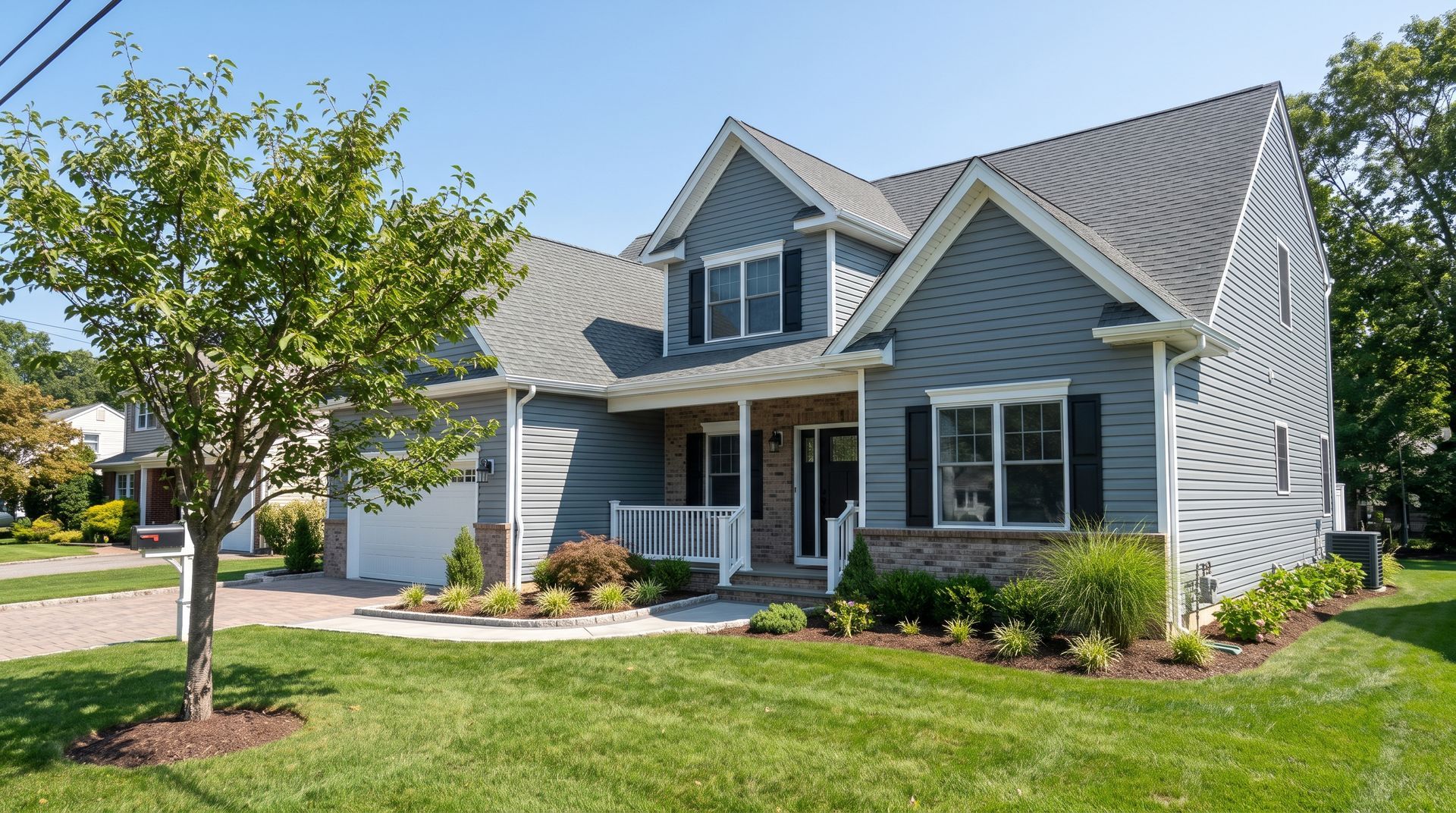
Vinyl siding typically lasts about 20 to 40 years, and quality siding that was installed well can reach the upper end of that range. On Long Island, where homes face strong sun, salt air, nor'easters, and freeze-thaw winters, the real lifespan depends on the thickness and grade of the siding, how carefully it was installed, which way each wall faces, and how much physical abuse it takes from wind, storms, and everyday impacts. Many homes here still have original vinyl from the 1980s and 1990s, and much of it is now brittle, faded, and approaching replacement age.
Ready Roof is a licensed and insured exterior contractor based in Bohemia, led by owner Ryan Coyne, a third-generation carpenter, installing and repairing siding, roofs, and gutters across Nassau and Suffolk Counties. We remove a lot of old vinyl siding and see exactly what time and weather do to it, and to the walls behind it. This guide explains how long vinyl lasts and how to tell when yours is nearing the end.
In This Guide
- Vinyl Siding Lifespan at a Glance: Lifespan by product grade.
- What Shortens Vinyl Siding Life on Long Island: Local factors.
- How Installation Affects Lifespan: Nailing, gaps, and house wrap.
- How Vinyl Siding Ages Year by Year: What changes over time.
- Signs Your Vinyl Siding Is Near the End: What to look for.
- What We Find Behind Old Siding: The wall underneath.
- Trim, Soffit, and Fascia Wear Too: The rest of the system.
- Repair or Replace?: How to decide.
- How to Make Vinyl Siding Last Longer: Simple care.
- Vinyl vs. Other Siding Lifespans: How it compares.
- Frequently Asked Questions: Quick answers.
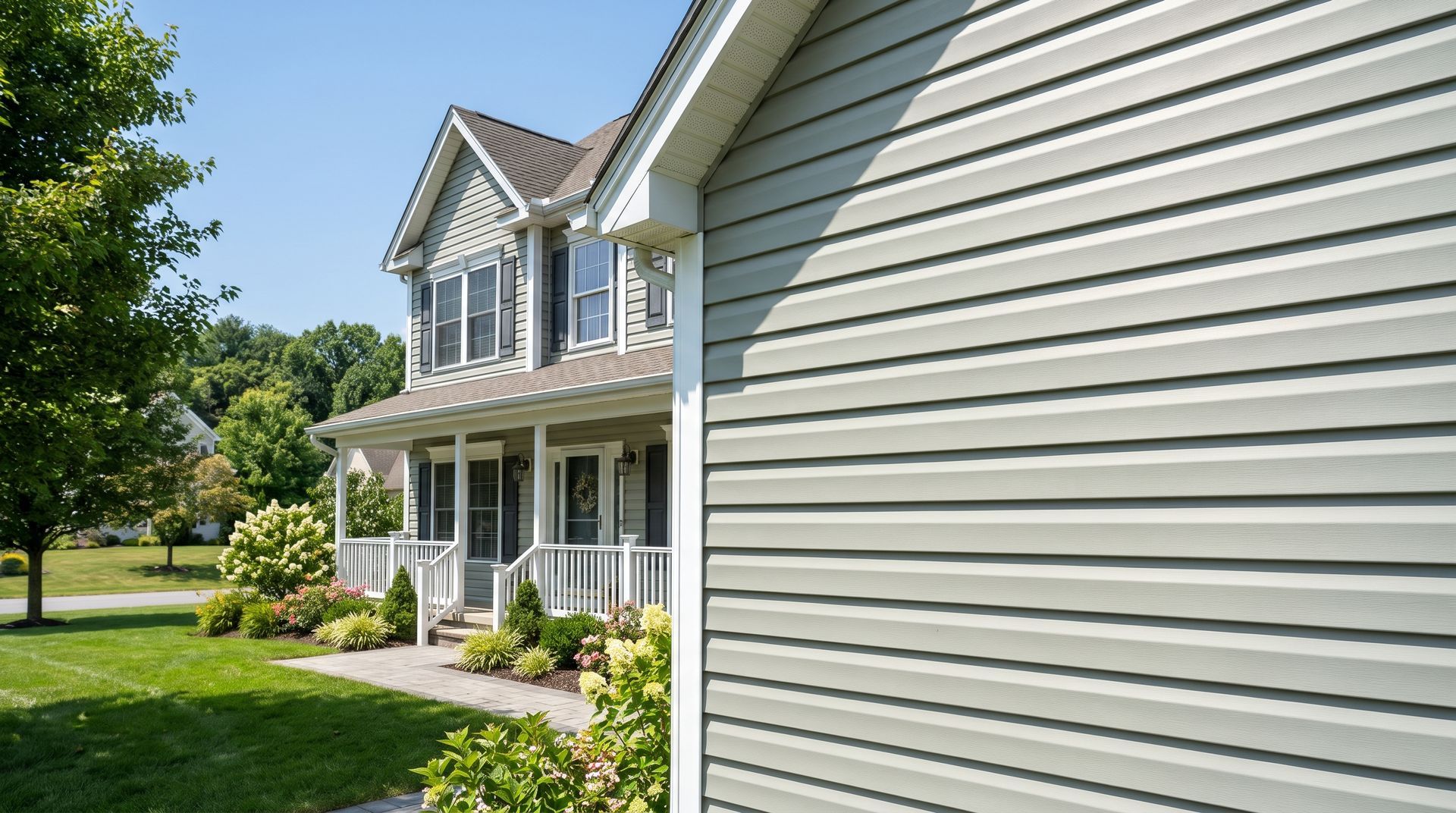
Vinyl Siding Lifespan at a Glance
Not all vinyl siding is the same. Thicker, higher-grade products generally hold up longer.
| Vinyl Siding Grade | Typical Lifespan | What to Expect |
|---|---|---|
| Economy or builder-grade | About 20 to 25 years | Thinner panels, more prone to cracking and fading |
| Mid-range | About 25 to 35 years | Better thickness, color retention, and appearance |
| Premium | About 30 to 40 years | Thicker panels, stronger color retention, more wind resistance |
| Insulated vinyl | About 30 to 40 years or more | Foam backing adds rigidity and impact resistance |
These ranges assume proper installation and reasonable care. Poor installation or harsh exposure can shorten them considerably. Two homes on the same street with the same siding can age very differently depending on how the siding was hung and how much sun, wind, and salt each wall takes.
What Shortens Vinyl Siding Life on Long Island
Long Island's climate is harder on siding than many inland areas. These are the factors we see most often:
- Sun exposure. South- and west-facing walls fade and become brittle faster from UV light.
- Salt air. Homes near the Great South Bay, the Long Island Sound, and the ocean face salt spray and humidity that encourage mildew and wear on trim and fasteners.
- Wind and storms. Nor'easters and tropical storms can loosen or tear off panels, especially on exposed waterfront lots.
- Freeze-thaw cycles. Vinyl expands and contracts with temperature swings. Over decades, poorly installed panels crack and buckle.
- Impacts. Lawn mowers, string trimmers, ladders, kids' balls, and hail can crack panels, especially as they become brittle with age.
- Reflected heat. Sunlight reflected from neighbors' low-E windows can concentrate heat on siding and cause warping. This is more common in tightly spaced neighborhoods.
- Moisture behind the siding. Missing or poorly lapped house wrap and bad flashing let water reach the sheathing, which can rot the wall long before the siding itself looks bad.
- Grills and heat sources placed too close to the house.
How Installation Affects Lifespan
Installation quality matters as much as the product.
Nailing
Vinyl siding is designed to hang loosely on its nails so it can move as temperatures change. Nails driven too tight lock panels in place, which leads to buckling in summer and cracking in winter.
Expansion Gaps
Installers leave small gaps at corners, around windows, and in J-channel so panels have room to expand. Siding installed tight to trim often ripples within a year or two.
House Wrap and Flashing
The weather barrier behind the siding is what keeps water out of the walls. When it is missing, torn, or lapped the wrong way, water gets behind the siding and damages the sheathing. Proper flashing at windows, doors, and roof-to-wall joints is critical.
Fastening for Wind
On Long Island, especially near the coast, proper fastening and wind-rated products help keep panels on the wall during storms.
How Vinyl Siding Ages Year by Year
Vinyl siding does not fail all at once. It changes gradually.
The First 10 Years
Quality siding usually looks close to new with occasional washing. Minor issues, like a loose panel or a small crack from an impact, can be repaired easily with matching material.
Years 10 to 20
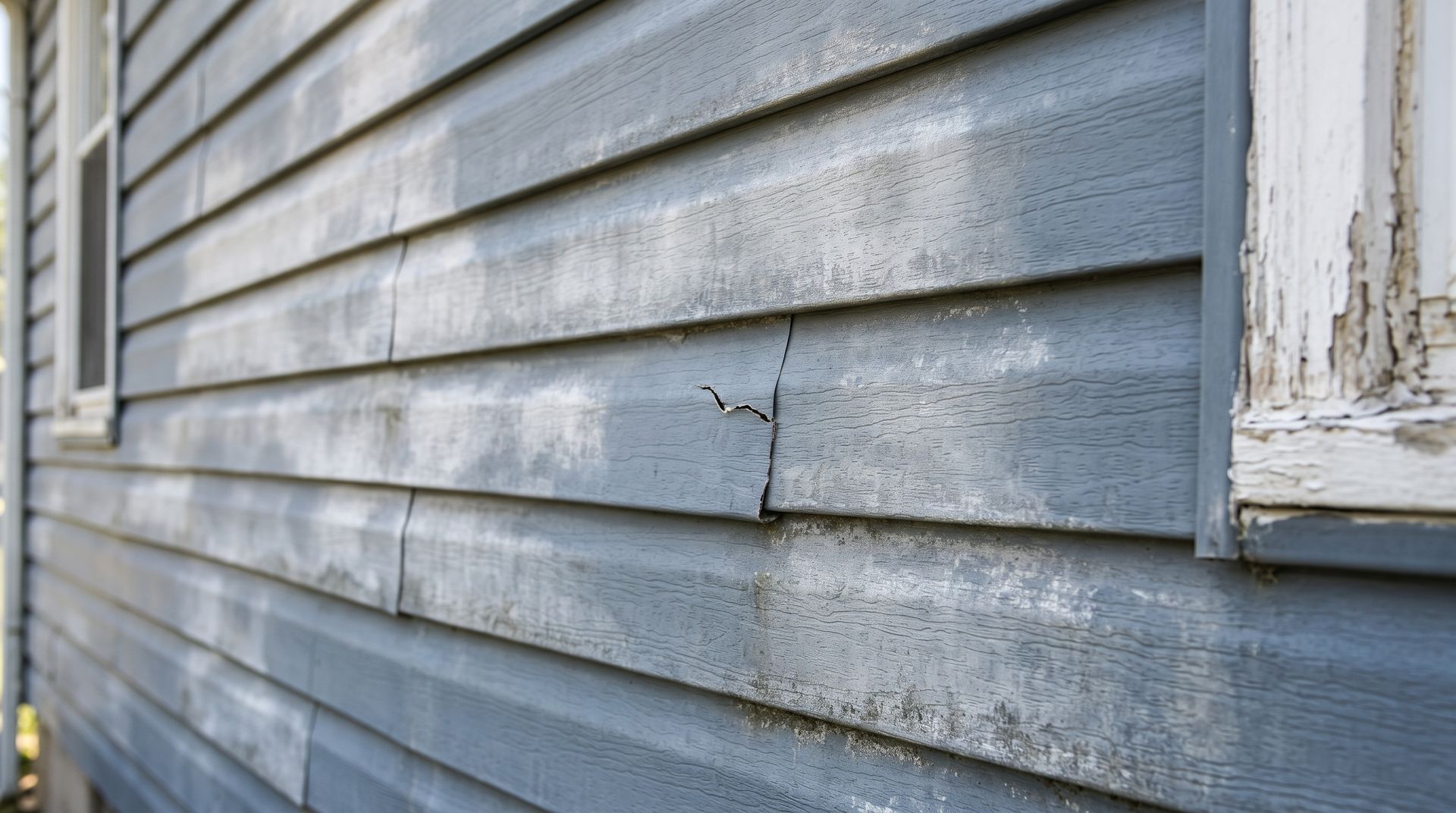
Fading becomes noticeable, especially on sunny walls. Mildew may appear on shaded sides. Panels may become slightly stiffer, and color matching for repairs gets harder as manufacturers change colors.
Years 20 to 30
Brittleness increases. Panels crack more easily from impacts and cold. Loose panels after storms become more common. Fading may be uneven between sides of the house.
Beyond 30 Years
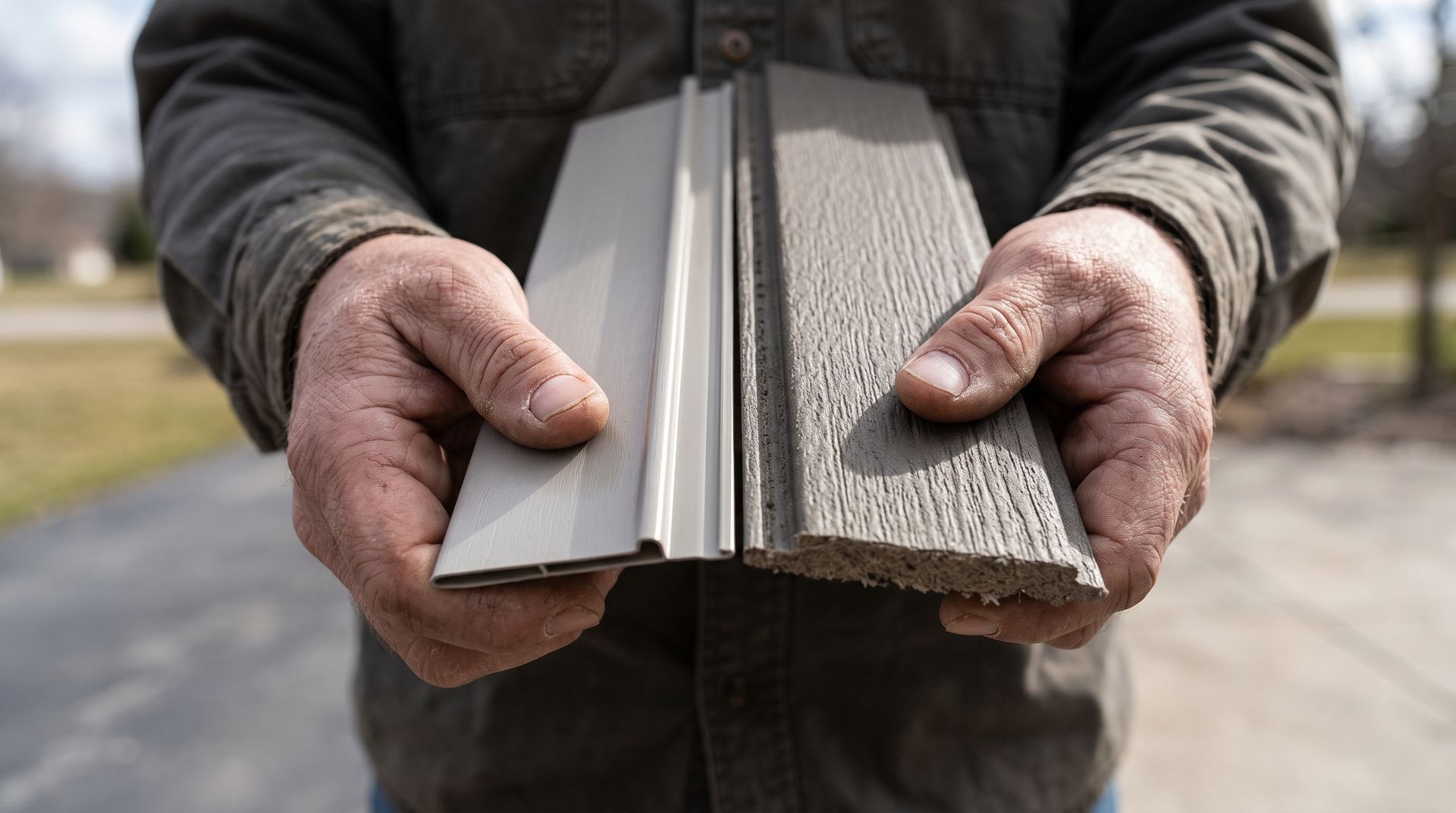
Many panels are brittle, faded, and chalky. Finding matching replacement panels may be impossible. At this point, repairs often become a patchwork and replacement is usually the better investment.
Signs Your Vinyl Siding Is Near the End
These signs suggest your siding may need replacement soon:
- Cracks, holes, or chips in multiple panels.
- Warping or buckling that does not settle back.
- Loose or missing panels, especially after storms.
- Severe fading or chalkiness that does not wash off.
- Brittleness, where panels crack when touched or bumped.
- Mold, mildew, or rot at the bottom of walls or around windows.
- Peeling paint or wallpaper on interior walls of exterior rooms.
- Higher energy bills or drafts along exterior walls.
If you see several of these at once, especially signs of moisture inside, it is worth having the siding inspected.
What We Find Behind Old Siding
The condition of the wall behind the siding often matters more than the siding itself.
Missing or Outdated Weather Barrier
On many Long Island homes sided decades ago, there is little or no modern house wrap behind the vinyl. Some have old felt paper that has torn or dried out. Without a good barrier, any water that gets past the siding reaches the sheathing.
Rot Around Windows and Doors
The most common damage we find is rotted sheathing and framing below windows and at the corners of doors, where flashing was missing or failed. From the outside, the siding may look fine.
Old Siding Under Vinyl
Some homes have vinyl installed over older wood, aluminum, or asbestos-cement shingles. That can hide problems and complicate replacement. Asbestos-cement shingles require special handling, so they should be identified before any removal begins.
Trim, Soffit, and Fascia Wear Too
Siding is part of a system, and the parts around it age as well.
Aluminum and PVC Trim
Aluminum trim coil around windows and corners can dent, fade, and loosen over time. Wood trim underneath may rot if water gets behind the coil.
Soffit and Fascia
Soffits and fascia at the roof edge take a beating from gutter overflow and ice. Rotted fascia is common on older Long Island homes and is usually replaced during siding or roofing projects. Learn more about our
roof fascia repair.
Repair or Replace?
When Repair Works
If damage is limited to a few panels, the siding is otherwise in good shape, and matching material is available, repair makes sense. Replacing a few blown-off or cracked panels is a quick, affordable job. Keep any leftover panels from the original installation, since they make color matching much easier years later.
When Replacement Makes More Sense
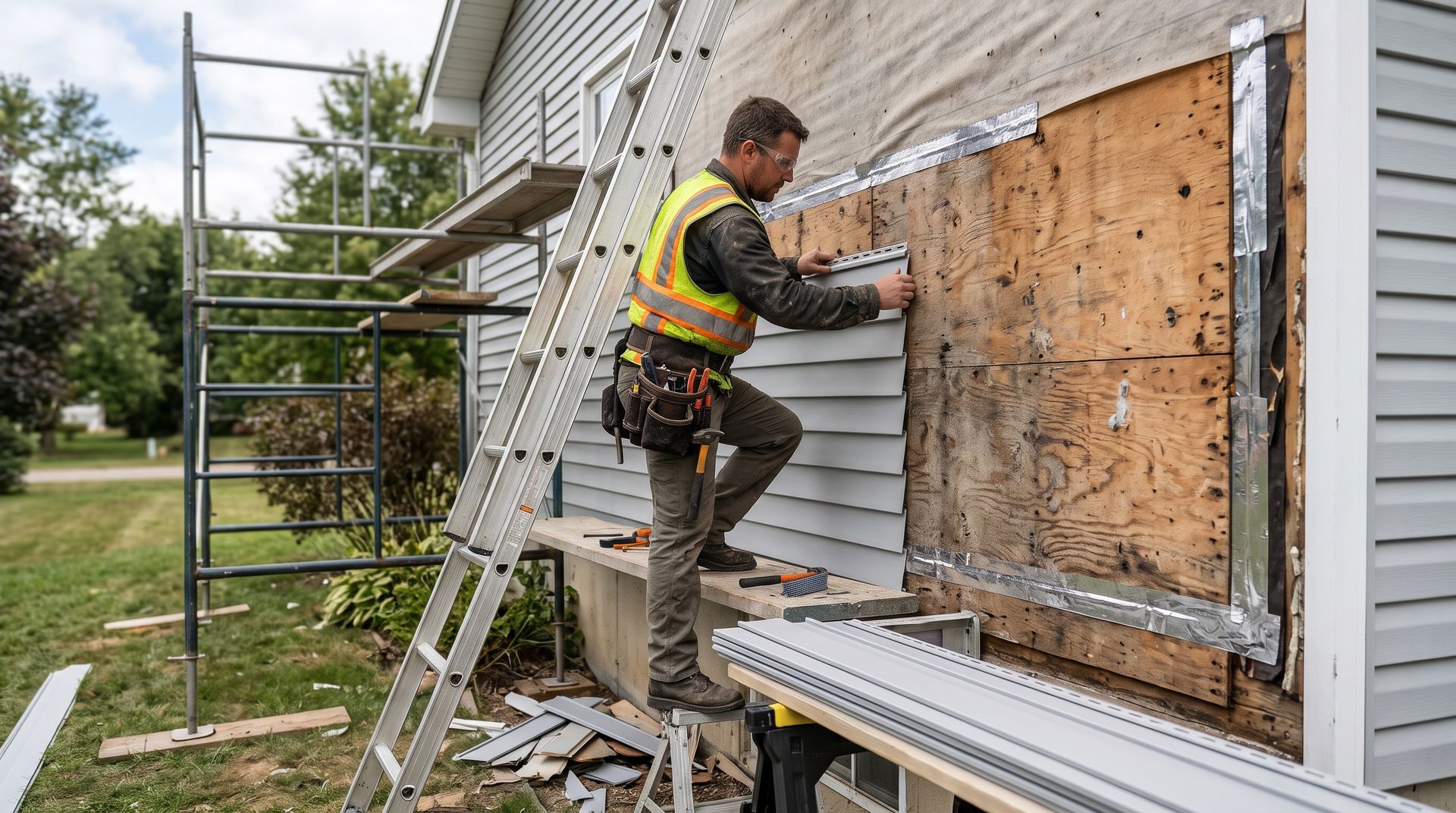
Replacement is usually better when damage is widespread, the siding is 25 years old or more and brittle, colors no longer match, or there are signs of moisture behind the siding. Replacement also lets the contractor inspect and repair the sheathing and install a modern weather barrier.
What About Painting?
Some homeowners consider painting faded vinyl. It can work on sound siding but does not fix cracks or moisture problems. Our guide on
whether you can paint vinyl siding explains when it makes sense.
How to Make Vinyl Siding Last Longer
Wash It Regularly
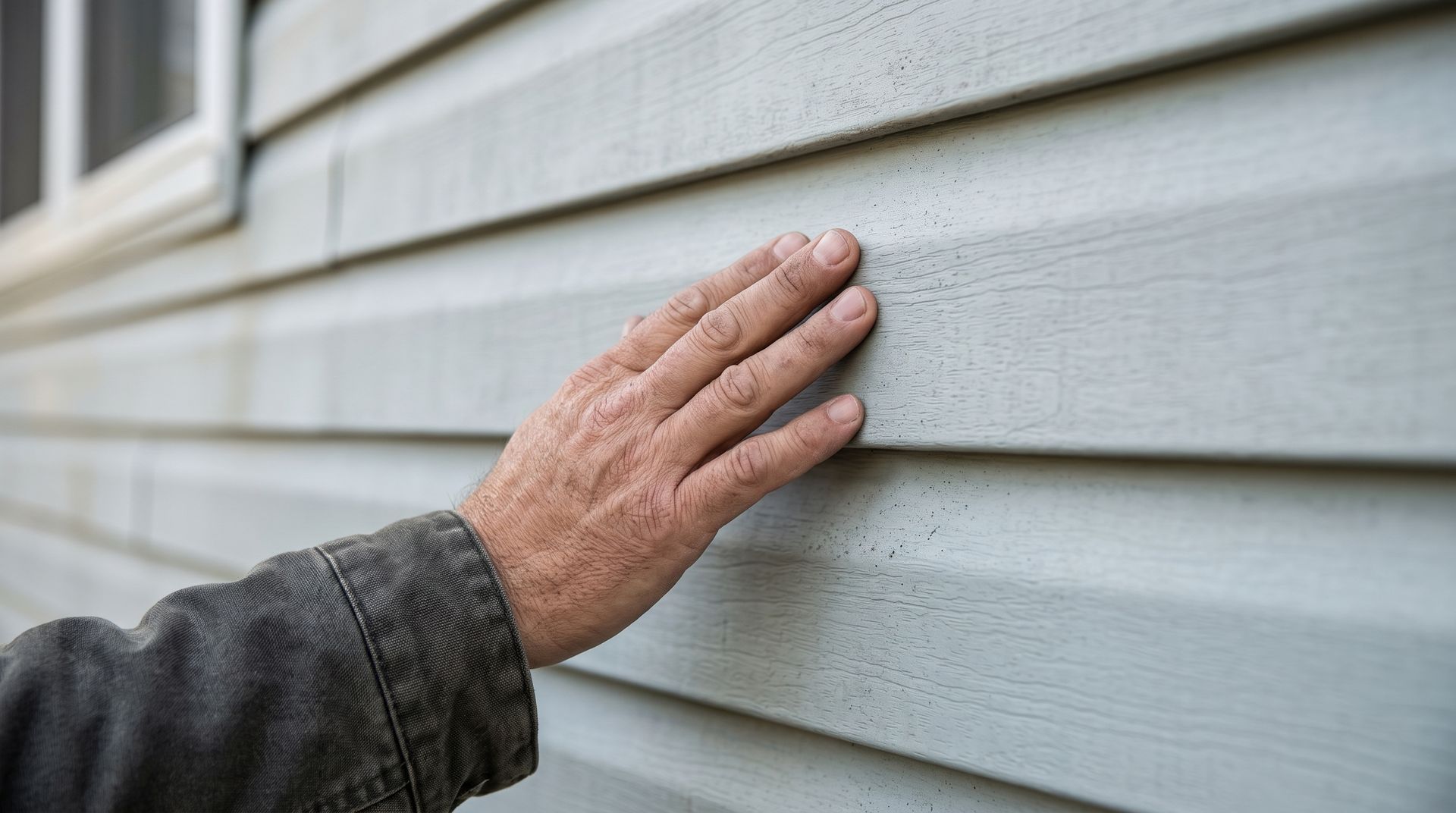
A gentle wash once a year with a soft brush or low-pressure rinse and a siding cleaner removes dirt, mildew, and salt residue. Avoid high-pressure washing that can force water behind panels.
Keep Plants and Mulch Back
Shrubs touching the siding trap moisture and rub against panels. Mulch piled against the wall holds water and invites insects.
Keep Heat Away
Keep grills, fire pits, and other heat sources several feet from the siding.
Fix Problems Early
Replace cracked or loose panels promptly so water and wind cannot get behind the siding. Check after major storms, walking around the house to look for loose, cracked, or missing panels, especially on the windward side.
Maintain Gutters
Overflowing gutters dump water down the siding and against the foundation. Clean, properly sized gutters protect both. Learn more about our gutter services.
Vinyl vs. Other Siding Lifespans
Fiber Cement
Fiber cement siding often lasts about 30 to 50 years with proper installation and maintenance, though it needs repainting over time. Our comparison of vinyl siding vs. fiber cement explains the trade-offs.
Wood and Cedar
Wood siding and cedar shakes can last for decades with regular painting or staining, but they require much more maintenance in Long Island's climate.
Aluminum
Older aluminum siding is durable but dents easily and fades. Many Long Island homes with aluminum siding are now being converted to vinyl or fiber cement.
Planning Ahead for Replacement
Budget
Knowing your siding's age helps you plan. For many Long Island homes, vinyl replacement runs about $10,000 to $30,000 depending on size, product tier, and repairs. Our guide to siding installation cost on Long Island explains pricing in detail.
Timing With Other Projects
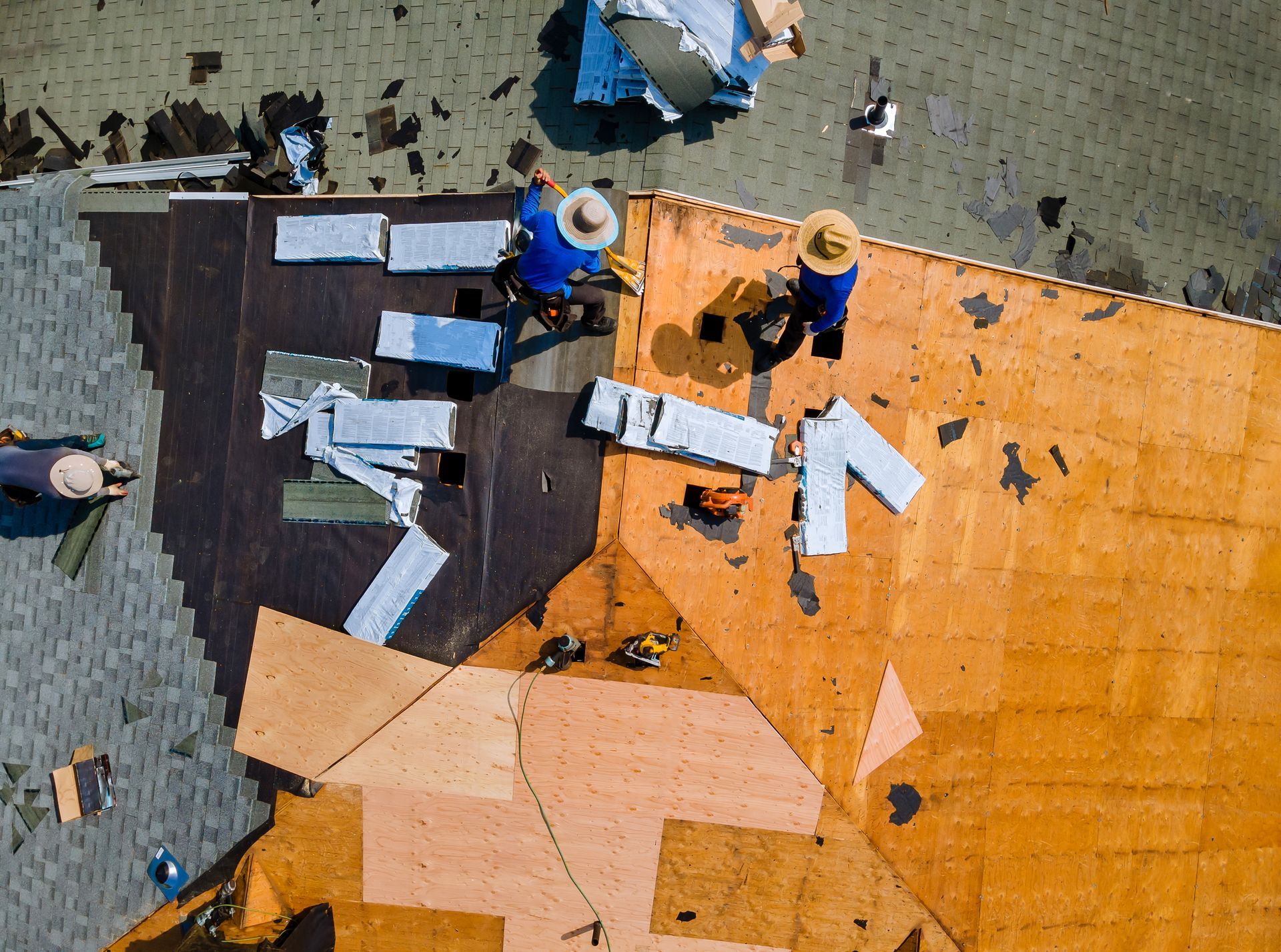
If your roof is also aging, coordinating roof and siding work lets one contractor handle flashing at roof-to-wall joints and trim at the eaves. Learn about our roof replacement services.
Seasons
Siding can be installed most of the year on Long Island, though extreme cold makes vinyl more brittle and harder to work with. Many homeowners plan replacement for spring through fall. Scheduling before peak season also gives you more flexibility on start dates and time to compare products and colors without pressure.
Siding Age, Home Value, and Insurance
When You Sell
Buyers notice siding. Faded, cracked, or mismatched siding can make a home look older and raise questions about moisture. New siding is one of the exterior updates that helps homes show well.
Storm Claims
If storm winds damage older siding, insurers may cover repairs, but matching discontinued colors can be difficult. Keeping a record of your siding's brand, color, and installation date helps with future claims and repairs.
Get Your Siding Inspected
If your siding is showing its age, our team can inspect it, tell you how much life it has left, and explain whether repair or replacement makes sense. Learn more about our siding services, browse our gallery, or read testimonials from Long Island homeowners.
Call Ready Roof at (631) 892-9165 or
contact us for a free estimate. We serve homeowners throughout Nassau and Suffolk Counties.
Frequently Asked Questions
How long does vinyl siding last on Long Island?
Vinyl siding typically lasts about 20 to 40 years. On Long Island, sun exposure, salt air, storms, and freeze-thaw cycles affect where your siding falls in that range. Higher-grade siding with proper installation tends to last longest.
Does vinyl siding fade over time?
Yes. All vinyl fades somewhat from UV exposure, especially on south- and west-facing walls. Higher-quality siding uses better color protection and fades more slowly.
Can vinyl siding last 50 years?
It is uncommon. Most vinyl siding lasts 20 to 40 years. Premium or insulated vinyl installed and maintained well may last longer, but by 40 years most siding is brittle and faded.
What is the most common reason vinyl siding fails?
Poor installation is one of the biggest causes, including nailing too tightly, missing expansion gaps, and poor flashing. On Long Island, storm damage, sun exposure, and moisture behind the siding are also common causes.
Is it worth replacing 30-year-old vinyl siding?
Often, yes. At 30 years, vinyl is usually brittle and faded, and replacement panels may not match. Replacing it also allows the wall to be inspected and a modern weather barrier installed.
Recent Posts