The Roof Replacement Process: What Homeowners Can Expect
September 1, 2026
A roof replacement follows a clear, predictable sequence: a full inspection and estimate, material selection and permits, tear-off of the old roof, inspection and repair of the wood decking, new underlayment and flashing, installation of the new roofing, and a thorough cleanup and final inspection. Most residential replacements on Long Island take one to three days, depending on the size and complexity of the roof.
At Ready Roof, we replace roofs across Long Island, from Nassau County to Suffolk County. Owner Ryan Coyne brings a legacy of craftsmanship that spans three generations, and our licensed and insured team walks homeowners through every step so there are no surprises. This guide explains exactly what happens during a replacement, and what it means for you.
In This Guide
- Replacement vs. Repair: When a full replacement is the answer.
- The Roof Replacement Process Step by Step: Every stage, in order.
- How Long Does a Roof Replacement Take?: Realistic timelines.
- What to Expect as a Homeowner: Noise, mess, and daily life.
- How to Prepare for Your Replacement: Simple steps beforehand.
- Choosing Your Roofing Material: Matching material to your home.
- What Happens After the Replacement: Warranty and closeout.
- Frequently Asked Questions: Quick answers for homeowners.
Replacement vs. Repair
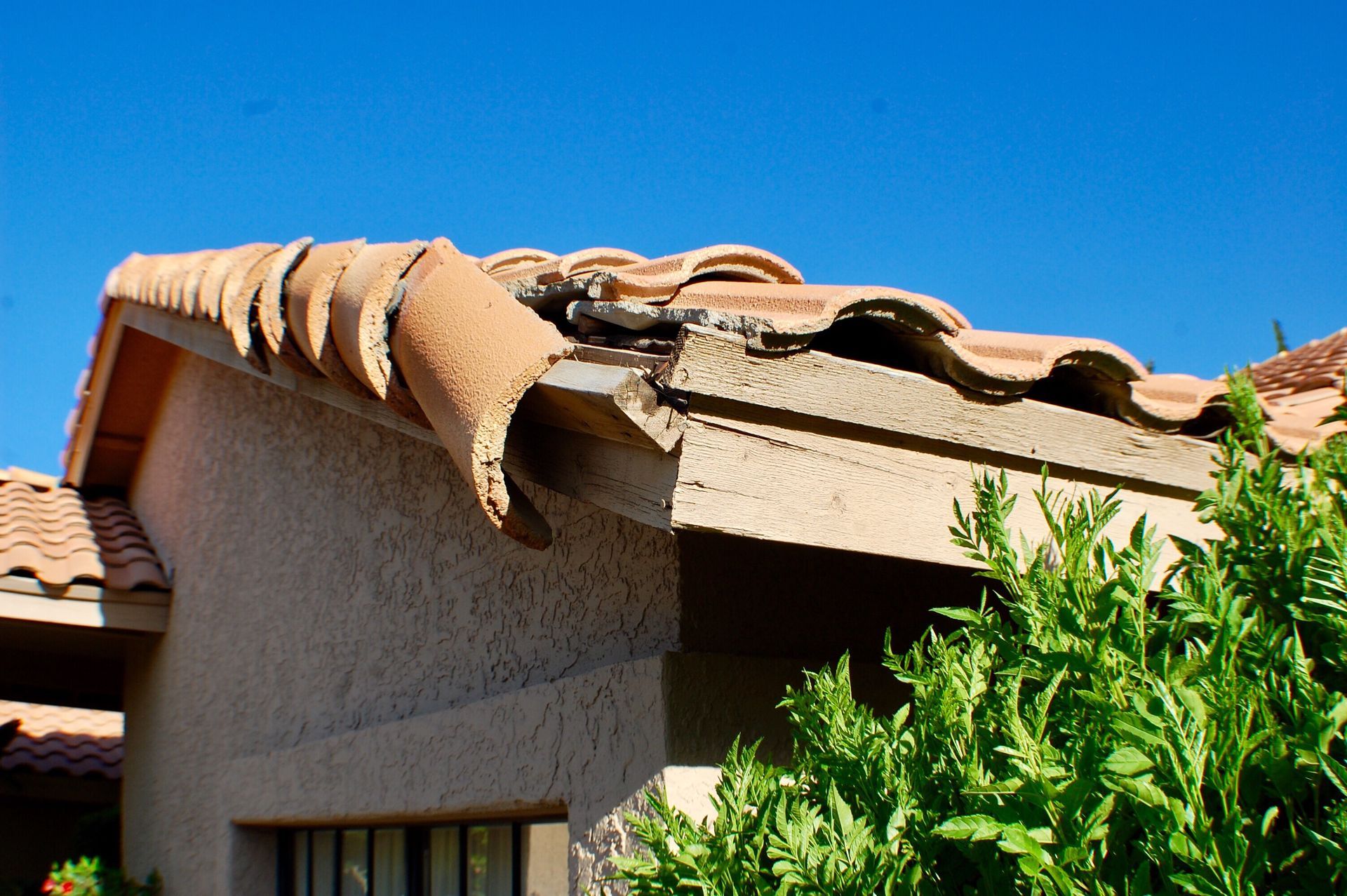
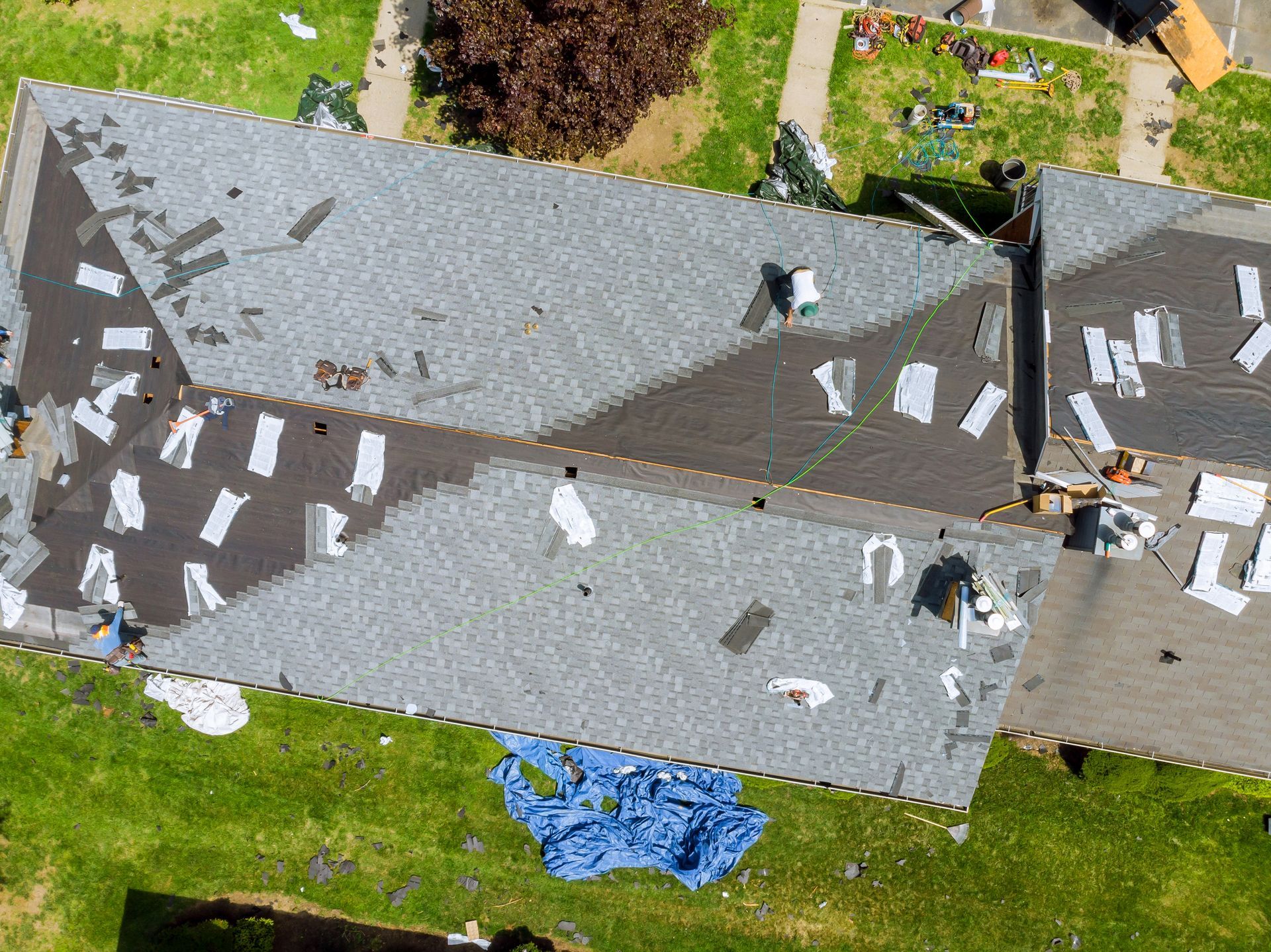
A roof replacement means removing your entire existing roof down to the wood decking and installing a complete new system, rather than fixing an isolated problem. It is the right call when a roof is near the end of its life, has widespread damage, or has had repeated repairs that no longer hold. Unlike a repair, which addresses one area, a replacement resets the clock on your entire roof and gives you a fresh manufacturer warranty.
If your roof has only a localized issue, a targeted fix may be all you need, and our guide to the
roof repair process walks through that path. When you are genuinely unsure which one your roof needs, our comparison of
roof repair versus replacement helps you weigh it, and a professional inspection settles it for certain.
The Roof Replacement Process Step by Step
While every roof is a little different, a professional replacement follows the same core sequence from start to finish. Knowing the stages helps you understand what you are paying for and why each one matters.
- Inspection and estimate. We assess the roof's condition, measure it, and provide a written estimate covering materials, labor, and scope so you know exactly what the project includes.
- Material selection and permits. You choose your roofing material and color, and we handle the permits that Long Island towns require for a replacement.
- Site preparation and protection. On the first day, the crew protects your landscaping, siding, windows, and driveway with tarps and coverings, and positions a dumpster for the old material.
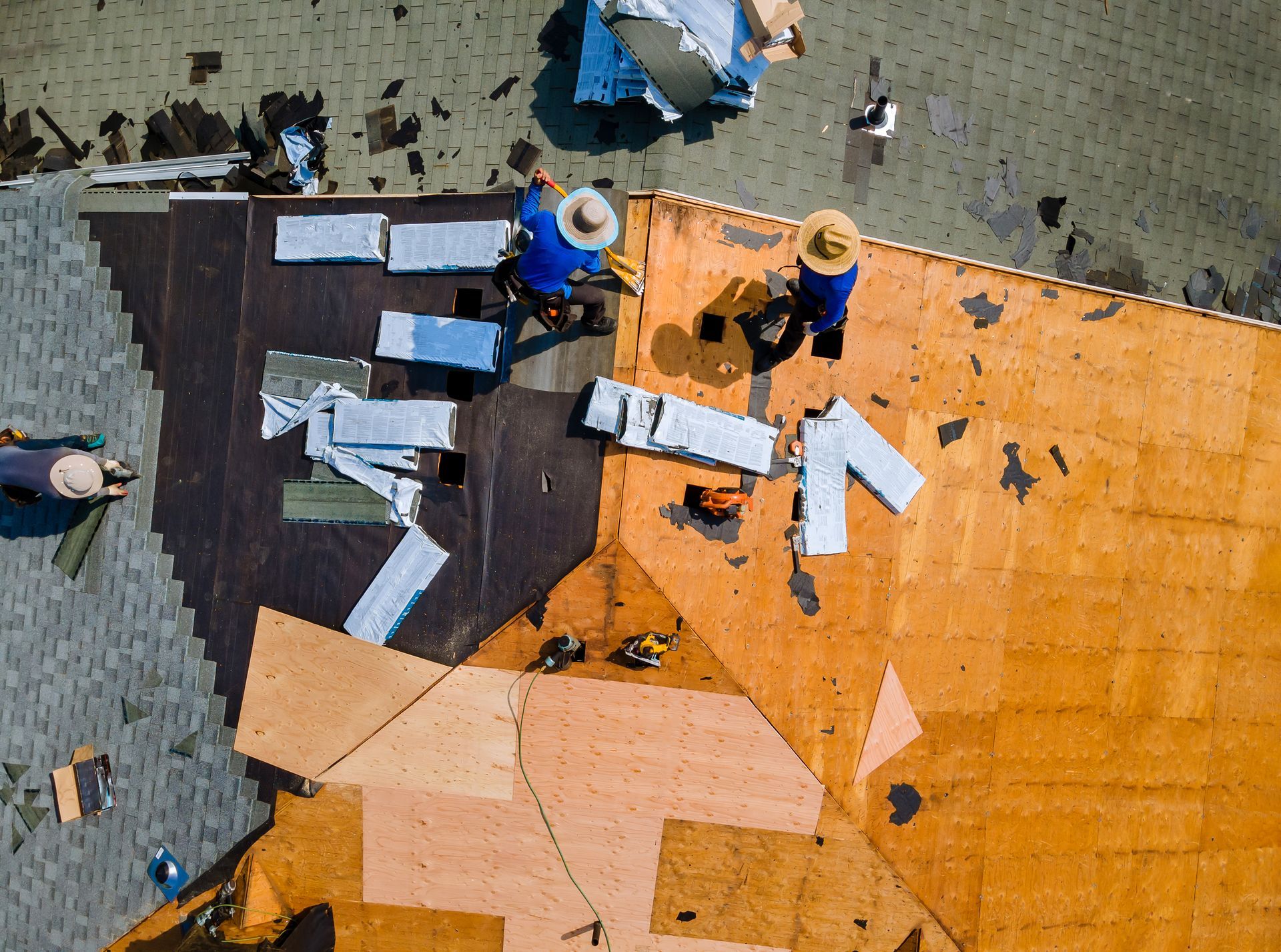
- Tear-off of the old roof. The existing roofing is stripped down to the wood decking so the new system goes on a clean, sound surface rather than over old problems.
- Deck inspection and repair. With the roof exposed, we inspect the decking for rot, water damage, or weak spots and replace any compromised wood before building back up.
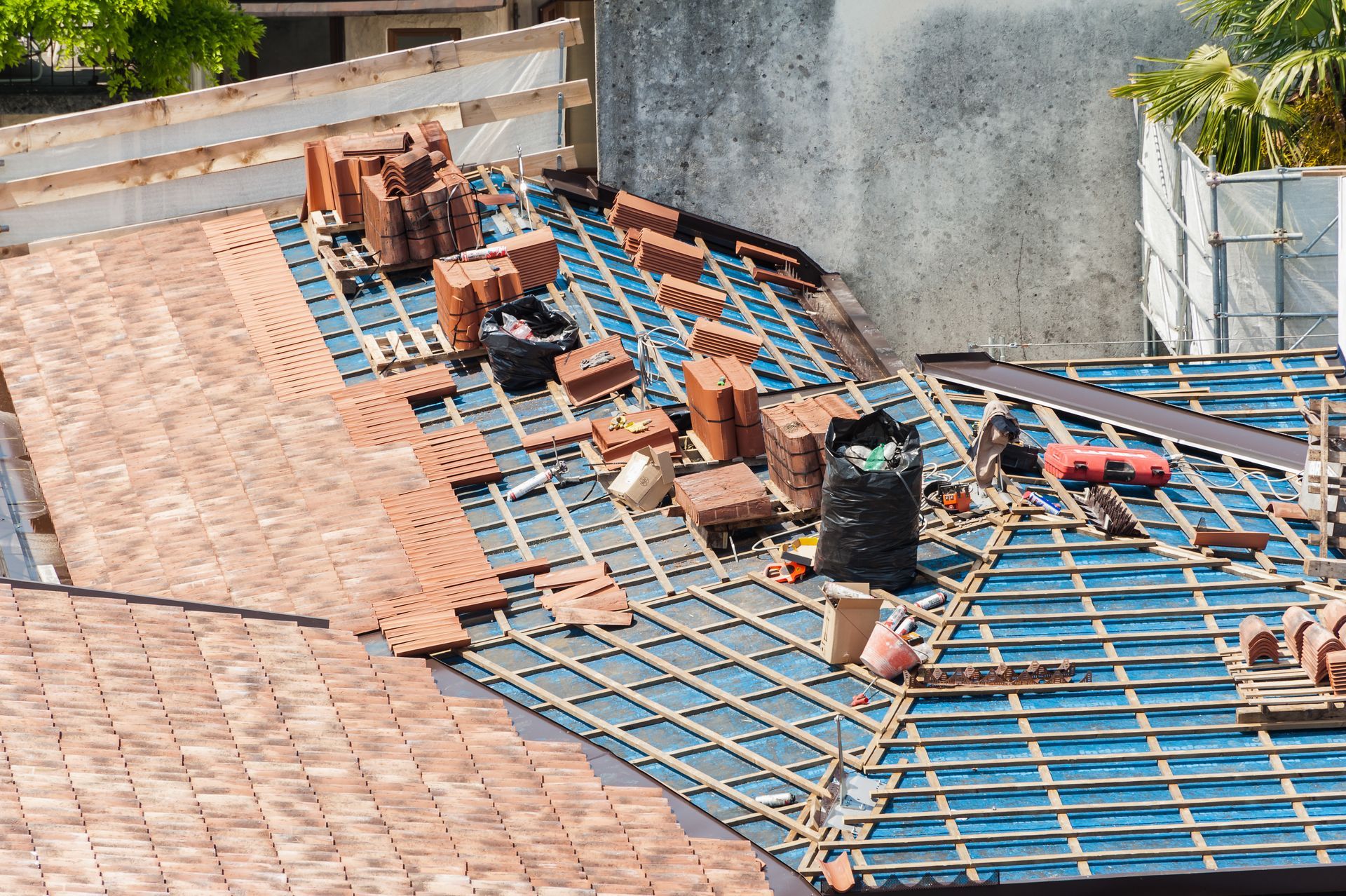
- Underlayment, ice-and-water shield, and flashing. We install the protective layers, including an ice-and-water barrier at vulnerable areas, drip edge, and new flashing around chimneys, valleys, and penetrations.
- New roofing installation. The new shingles or roofing material go on in the correct pattern and nailing sequence, following manufacturer specifications for a valid warranty.
- Ridge vent and finishing details. Ridge caps, ventilation, and final flashing details are completed to seal the system and let the roof breathe properly.
- Cleanup and magnetic sweep. The crew removes all debris and runs magnetic rollers across the property to collect stray nails, leaving the site as clean as they found it.
- Final inspection. We walk the finished roof to confirm every detail meets standard before the job is called complete.
| Stage | What Happens | Typical Timing |
|---|---|---|
| Inspection and estimate | Assessment, measurement, written quote | Before the project |
| Tear-off and deck repair | Old roof removed, decking checked and fixed | Day one |
| Installation | Underlayment, flashing, and new roofing installed | Day one to two |
| Cleanup and final inspection | Debris removed, nails swept, roof reviewed | Final day |
How Long Does a Roof Replacement Take?
Most residential roof replacements on Long Island are completed in one to three days. A straightforward asphalt shingle roof on an average home often takes a single day, while larger homes, steep or complex roofs, and premium materials like metal or tile can push the timeline to two or three days or more.
A few things can extend the schedule. Weather is the biggest one, since a safe, quality installation cannot happen in heavy rain or high wind, so a crew may pause and resume. Unexpected decking damage discovered during tear-off can add time, as can multiple existing layers that need removal. A reputable roofer builds realistic timing into the estimate and keeps you informed if anything shifts. Larger projects may also involve a delivery of materials staged in the driveway a day ahead, and steep or multi-level roofs simply take longer to work safely, so two identical-sized homes can have different timelines based on their design alone.
What to Expect as a Homeowner
A replacement is a big project happening right above your head, and knowing what the day feels like helps you plan around it. The work is noisy, since tear-off and nailing carry throughout the house, so it is worth planning around anyone who works from home or naps during the day.
You will have a dumpster in the driveway and a crew moving around the exterior of your home, but the interior stays fully usable. The vibration from the roof can occasionally shake loose dust or small items in the attic, and it is normal for the yard to look busy during the job. By the final magnetic sweep and cleanup, a professional crew leaves your property clean, which is why that last step is a standard part of our process rather than an extra. If you have solar panels, satellite dishes, or delicate landscaping, mention it ahead of time so the crew can plan around it, and expect the crew to arrive early, since roofing work starts in the cooler part of the day and makes the most of daylight.
How to Prepare for Your Replacement
A little preparation makes the project go smoothly and protects your belongings. None of it is complicated, and your roofer can guide you on anything specific to your home.
- Clear the driveway and move vehicles to the street so the crew has room for the dumpster and equipment.
- Remove wall decorations and fragile items from upper floors and the attic, since vibration can shake them loose.
- Move or cover patio furniture, grills, and potted plants near the house to keep them clean and protected.
- Make a plan for pets and small children on work days, as the noise and activity can be stressful for them.
- Clear attic access and move stored items away from directly under the roof in case of dust.
Taking these steps the day before lets the crew focus on the roof and helps the project finish on schedule. If you rent or share a driveway, give your neighbors a heads-up about the dumpster and the early start, since a little courtesy goes a long way during a one to three day project.
Choosing Your Roofing Material
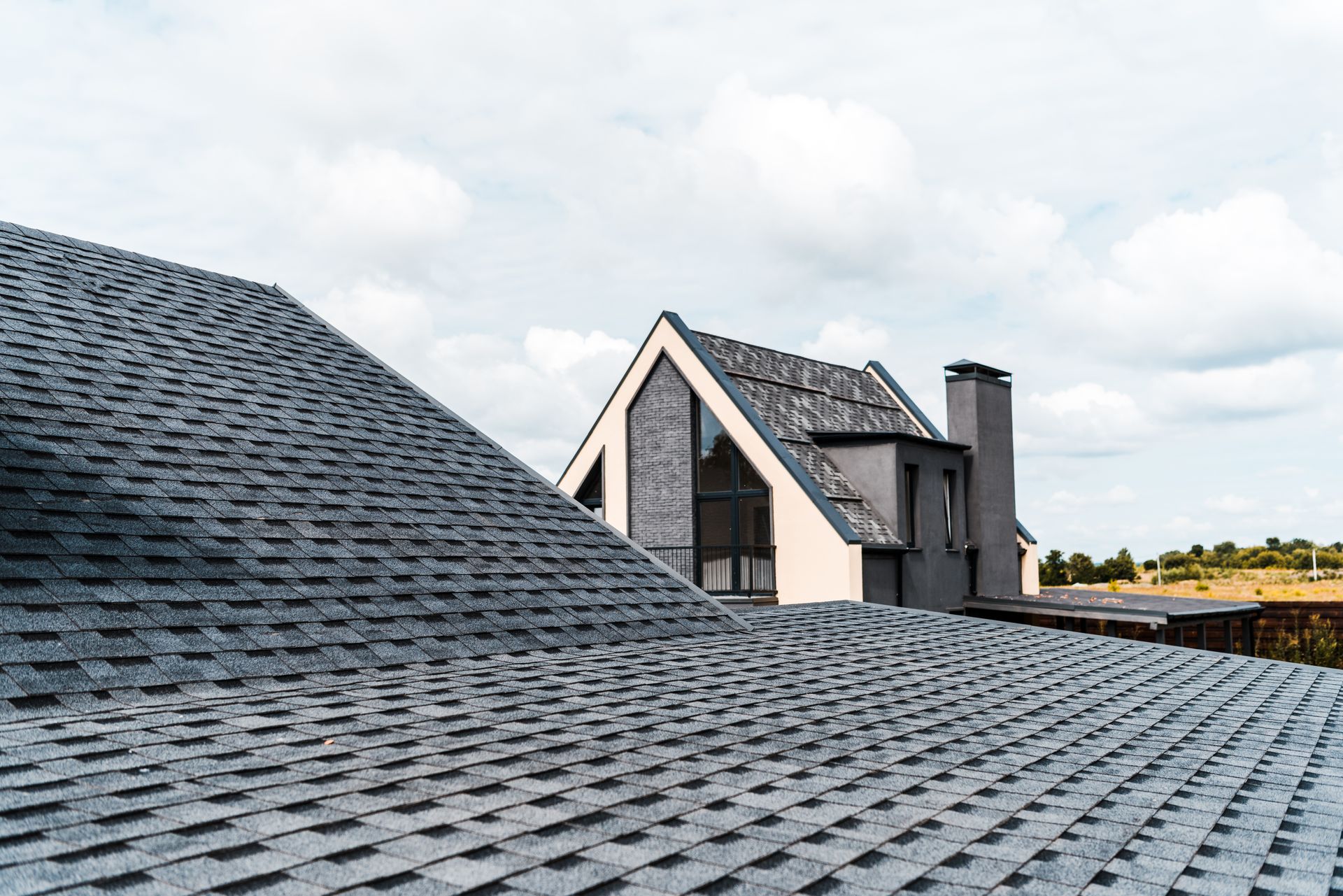
The material you choose shapes the look, lifespan, and cost of your new roof, and it is one of the few big decisions you make during the process. On Long Island, the material also has to stand up to coastal weather, from Nor'easters to summer heat and humidity.
Asphalt shingles are the most popular choice for good reason: they are budget-friendly, come in many colors, and perform well in our climate. Metal and tile roofs cost more up front but last considerably longer and can be worth it for the right home. As a rough guide, residential roofing on Long Island tends to run somewhere between 5 and 25 dollars per square foot installed depending on material, roof size, and complexity, so treat any figure as a ballpark until you have an on-site estimate. Our breakdown of
roof repair cost on Long Island gives more context on how local pricing works, and we help you match the material to your home and budget during the estimate.
What Happens After the Replacement
The job is not truly finished when the last shingle goes on. A few important steps close out a proper replacement and protect your investment for the years ahead.
We complete a final walkthrough with you to review the finished roof and answer any questions, and we make sure the required town inspection and permit closeout are handled. You should also receive your warranty information, covering both the manufacturer's material warranty and the workmanship warranty on the installation, so keep that paperwork somewhere safe. From there, the best thing you can do is simple upkeep: keep the gutters clear, have the roof inspected periodically, and address any minor issue quickly so your new roof reaches its full lifespan.
Get a Straightforward Roof Replacement With Ready Roof
A roof replacement is a major investment, and the right crew makes it a smooth one. Our team handles everything from the first inspection to the final nail sweep, and keeps you informed at every stage across Nassau and Suffolk County.
Call Ready Roof at (631) 892-9165 or
contact us for a free estimate. Learn more about our
roof replacement services and, if you are still deciding,
when it makes sense to replace your roof.
Frequently Asked Questions
How long does a roof replacement take?
Most residential roof replacements on Long Island take one to three days. A standard asphalt shingle roof on an average-sized home is often a one-day job, while larger, steeper, or more complex roofs and premium materials can take two to three days. Weather and any hidden decking damage found during tear-off are the main factors that can extend the timeline.
Do I need to leave my house during a roof replacement?
No, you can stay home during a replacement. The work happens entirely on the exterior, so your interior remains usable, though it will be noticeably noisy from the tear-off and nailing. Many homeowners choose to be out during the loudest parts of the day, and it is a good idea to plan around pets and anyone who needs quiet.
Can you replace a roof in one layer over the old shingles?
While a layover is sometimes possible, a full tear-off is almost always the better choice. Removing the old roof lets us inspect and repair the decking underneath, ensures the new system is installed on a sound surface, and generally protects your warranty. Roofing over existing shingles can hide problems and shorten the life of the new roof.
What happens if it rains during my roof replacement?
A professional crew monitors the forecast and does not tear off more roof than it can safely close in and protect. If rain moves in, work pauses and the exposed areas are covered with waterproof tarps until it is safe to continue. This can extend the schedule by a day, but it protects your home and ensures a quality installation.
How do I know if I need a replacement instead of a repair?
Age, the extent of the damage, and repair history are the biggest signals. A roof near the end of its lifespan, with widespread damage or repeated failed repairs, usually calls for replacement, while an isolated problem may only need a repair. A professional inspection gives you a clear answer, and our roof repair versus replacement guide can help you think it through beforehand.
Recent Posts