Roof Repair vs. Replacement: How to Know Which You Need
September 21, 2026
Quick answer: Repair if the damage is localized, the roof is under about 15 years old, and the decking is sound. Replace if the damage spans whole planes, you have more than one leak, the deck is soft, or the roof is past 20 years. If a single repair quote comes in above roughly half the cost of a replacement, replacement is the better buy. On Long Island there is one extra question that decides more of these cases than any rule of thumb: how many roof layers your house already has, because code caps you at two and a house already carrying two cannot be shingled over again.
Ready Roof is a licensed and insured roofing contractor in Bohemia, serving Nassau and Suffolk. Owner Ryan Coyne is a third-generation carpenter, and we quote both options on the same visit when both are genuinely viable, because the decision belongs to the homeowner once the facts are on the table.
In This Guide
- What each option actually includes
- The cost math, with real numbers
- When repair is the right call
- When replacement is the right call
- The Long Island layer rule
- Four things that break the rules of thumb
- The middle option: one slope at a time
- How insurance changes the answer
- Get both options priced
- Repair vs. replacement FAQs
What each option actually includes
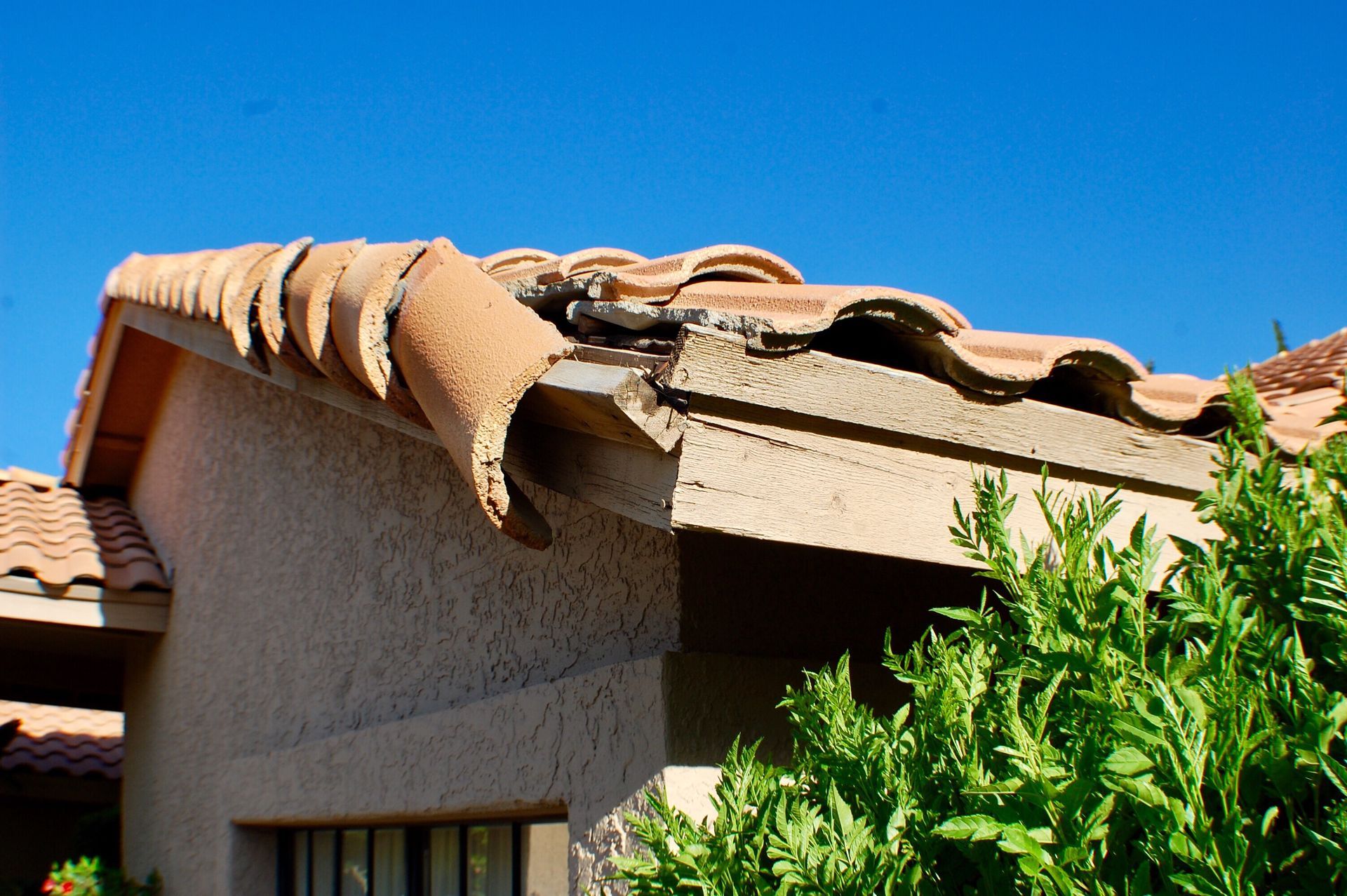
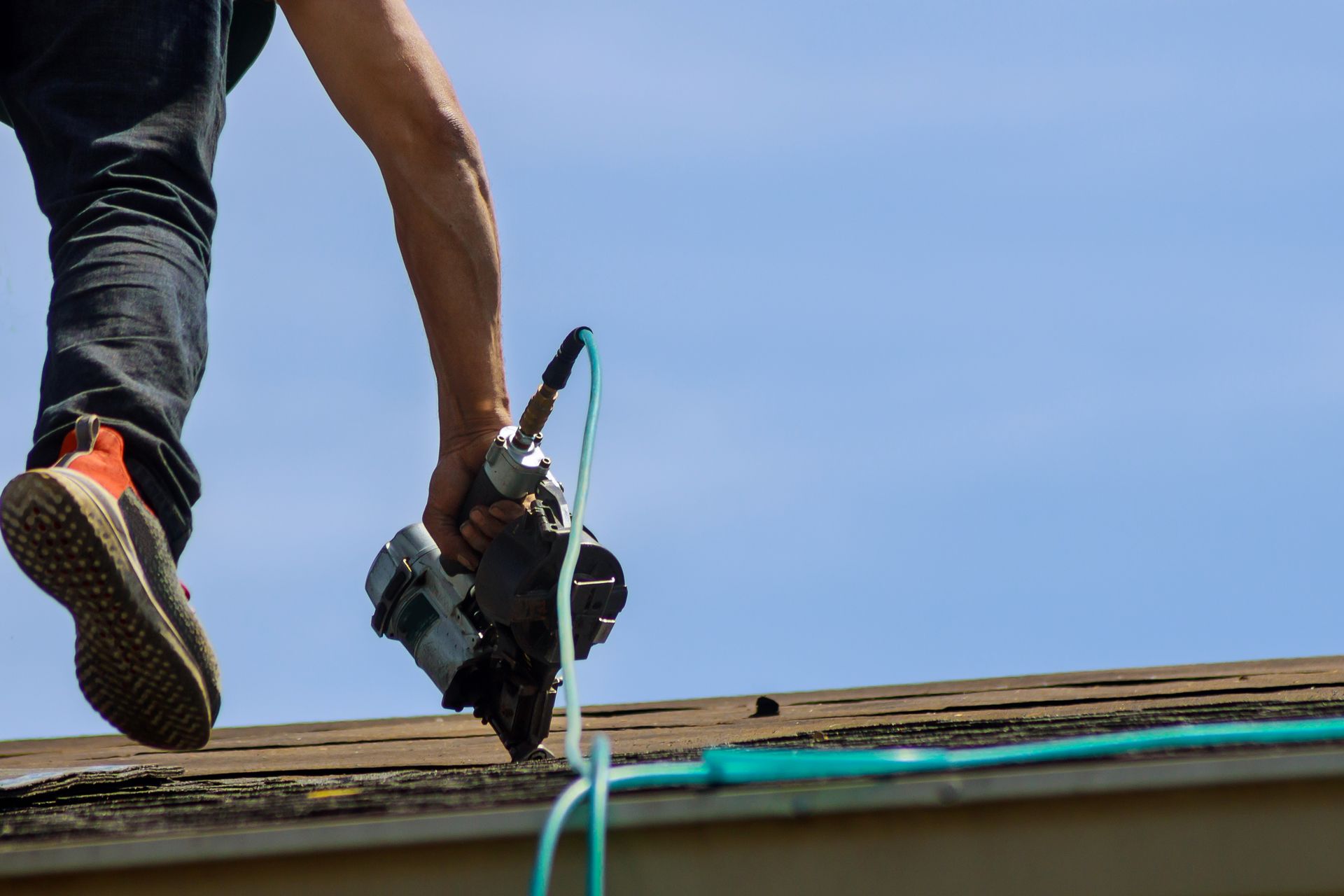
A repair addresses a defined problem on a roof that is otherwise intact: swapping damaged shingles, rebuilding step flashing at a chimney, replacing a cracked pipe boot, or resealing around a skylight. The rest of the roof keeps aging on its original schedule.
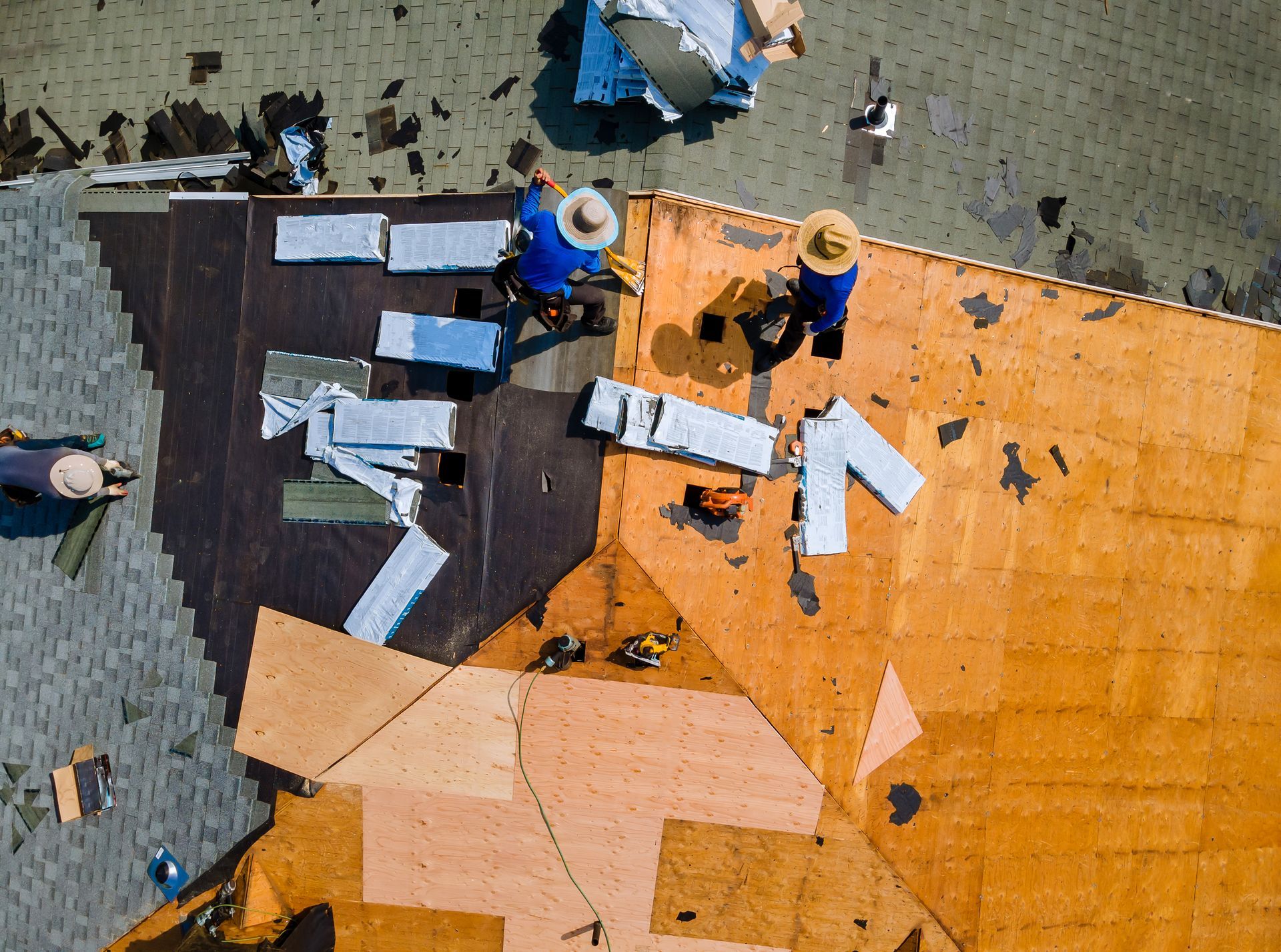
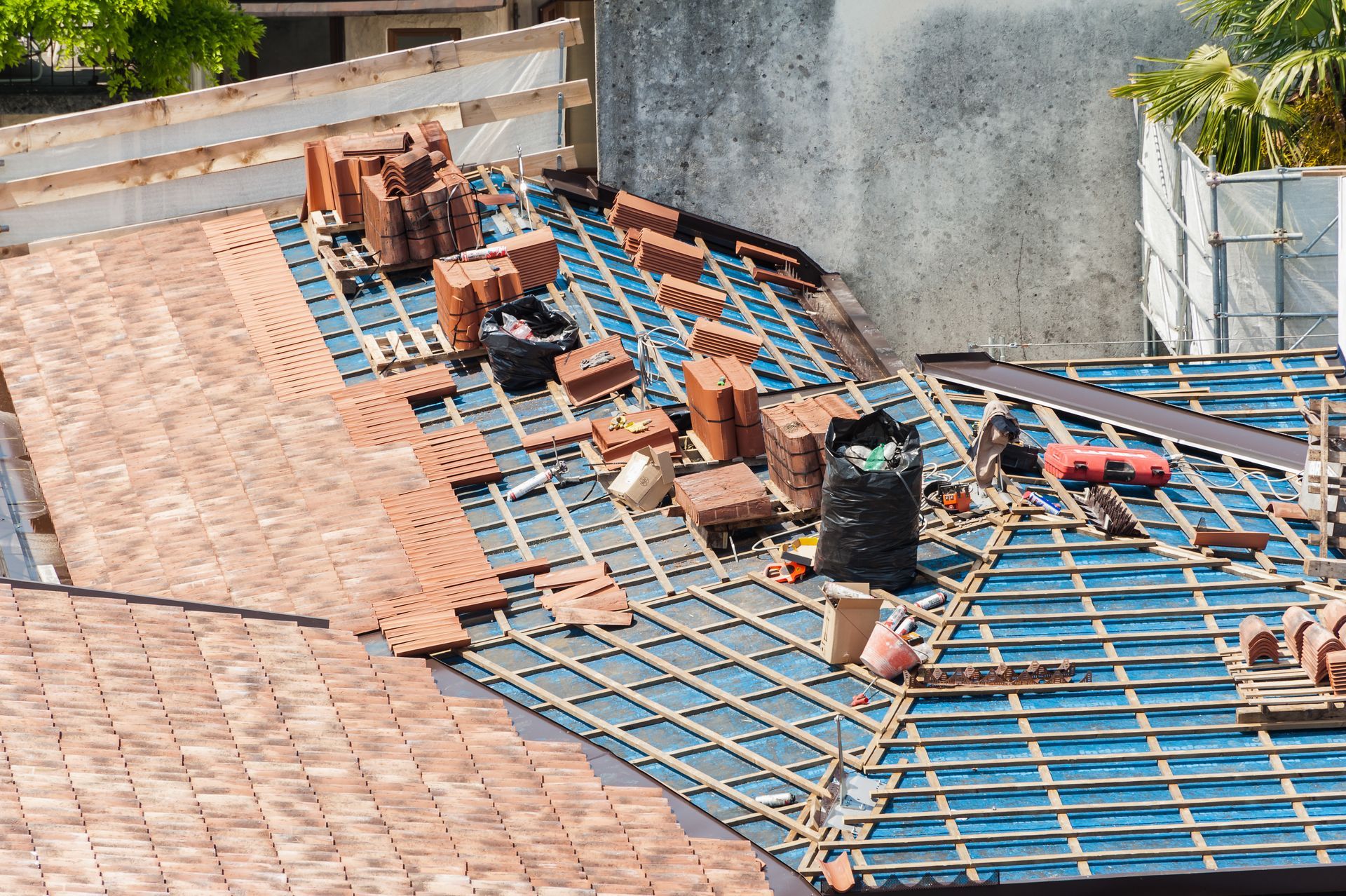
A replacement strips everything to the deck and rebuilds the system: sheathing repairs, ice and water shield at the eaves and valleys, underlayment, drip edge, new flashing, shingles, and ventilation. It resets the clock and comes with warranties that a repair does not.
There is also re-roofing, meaning shingling over the existing layer without a tear-off. It is cheaper, it is legal only if you currently have one layer, and it hides the deck you most need to look at. We rarely recommend it.
The cost math, with real numbers
Rules of thumb are only useful with your own numbers in them. Replacement on Long Island generally runs $500 to $900 per square installed, which puts a typical 20-square home somewhere between $10,000 and $18,000. Repairs commonly land between $400 and $3,500 depending on what failed and how accessible it is.
| Your situation | The math | Usual answer |
|---|---|---|
| $900 repair on a 10-year-old roof, $14,000 to replace | Repair is 6% of replacement | Repair |
| $4,200 repair on a 16-year-old roof, $14,000 to replace | Repair is 30% of replacement | Depends on the attic and layer count |
| $7,500 repair on a 19-year-old roof, $14,000 to replace | Repair is 54% of replacement | Replace |
| Three repairs in four years totaling $5,000 | Paying for a roof in installments | Replace |
One clarification on the fifty percent rule that most articles skip. It applies to a single repair event, not to your lifetime repair spending. Three small fixes over fifteen years, each correct at the time, do not add up to an argument for replacement. One large fix that eats half the cost of a new roof does.
The other number worth putting on paper is remaining service life. Spending $4,000 on a roof with four years left costs you $1,000 a year. Spending $14,000 on a roof with 28 years left costs you $500 a year. That framing settles most of the gray-area cases.
How to make two quotes comparable
Most of the spread between roofing quotes is scope, not price. Before you compare totals, make sure each quote states the same things: layer count and whether the price assumes a tear-off, decking repair priced per sheet rather than as a vague allowance, which flashings are being replaced instead of reused, whether ice and water shield is included and how far up the slope it runs, the ventilation plan, the permit, and the length of the workmanship warranty.
When one quote is thousands under the others, it is almost always missing two of those items. Ask each contractor what happens if they find rot, and get the answer in writing, because that is the variable that turns a fixed price into a surprise.
When repair is the right call
Repair is usually correct when all of these are true:
- The roof is under about 15 years old and the shingles are still flexible rather than brittle.
- The damage has a single identifiable cause, like a fallen limb, one failed pipe boot, or step flashing that was never installed right.
- The attic is clean. No rusty nail tips across multiple bays, no soft sheathing, no stain tracks in several places.
- Matching shingles are available. Manufacturers discontinue lines, and weathered color never matches new stock exactly, so this matters more on visible elevations.
- You only have one leak. One leak is a defect. Several at once is a pattern.
If that describes your situation, a proper repair buys you the remaining life of the roof. Our walkthrough of
the roof repair process covers how we diagnose and what a repair visit includes.
When replacement is the right call
Replacement is usually correct when any of these are true:
- The deck is compromised. Soft or delaminated sheathing across multiple rafter bays cannot hold fasteners, so new shingles over it will fail early.
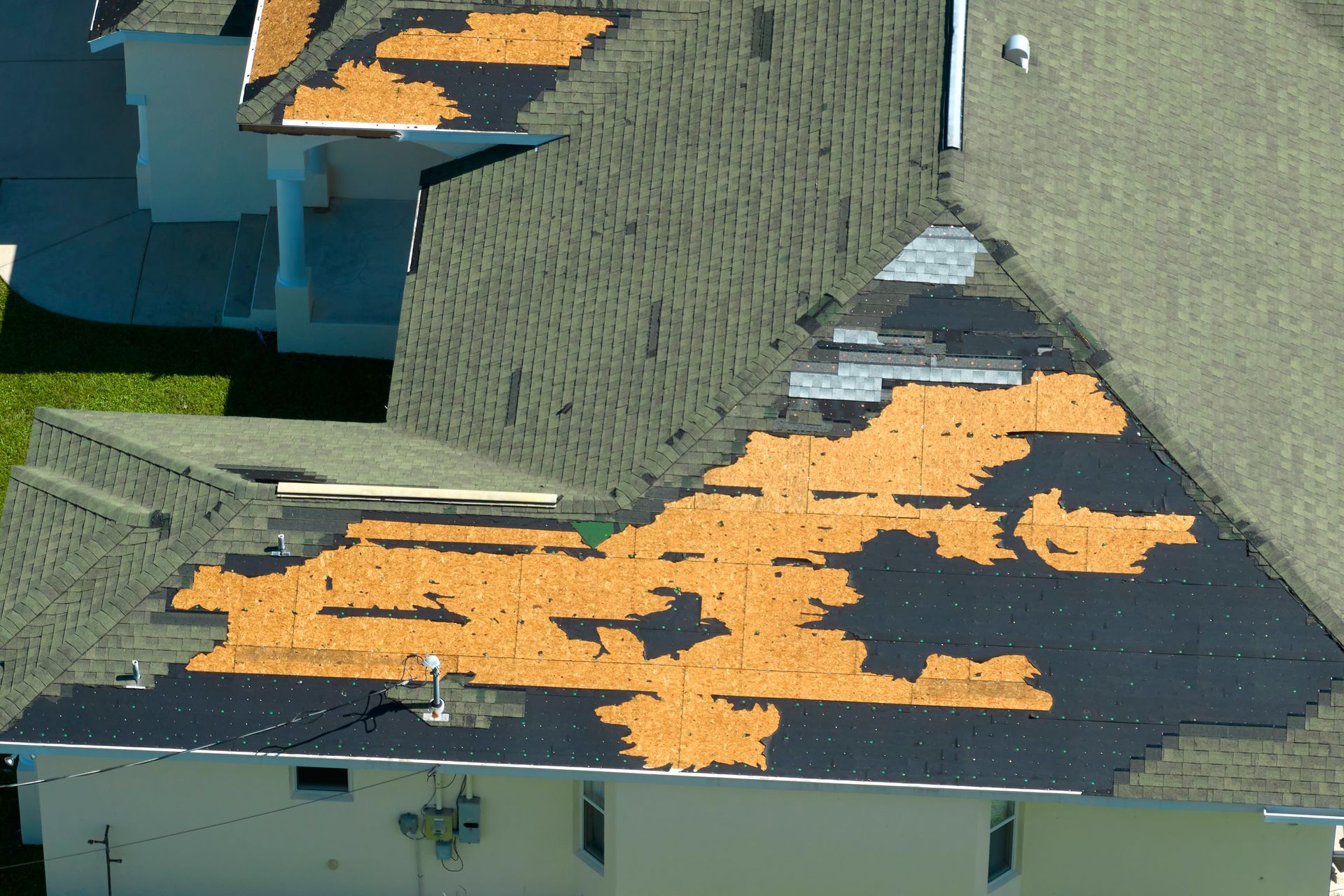
- Damage spans whole planes. Widespread curling, clawing, or bald patches mean the material is finished, and new shingles will not seal to shingles in that condition.
- The ridge line sags. That is structure or decking, and shingles are not the repair.
- The roof is past 20 years and anything else on this list is also true.
- You have multiple active leaks, which nearly always means system failure rather than isolated damage.
- Brittleness. On a cold day, an aged roof cracks as a crew walks it. Repairs on brittle shingles create new damage around the patch.
The signs that put you in this column are mostly visible from inside, which is why we check the attic on every estimate. We walk through all nine of them in
signs you may need a new roof.
The Long Island layer rule
This is the local factor that outweighs the national rules of thumb, and it surprises people every time.
New York code allows a maximum of two roof coverings on a structure. A large share of Long Island's postwar housing stock, the Levittown-era capes and the 1960s and 70s ranches, already carries a second layer from a re-roof done decades ago. For those homes, the cheap path is closed: the next roof is a full tear-off with disposal of two layers of material, which is heavier, slower, and more expensive than a single-layer tear-off.
Why it changes the repair-or-replace math: if you are on layer two, every dollar you spend repairing is a dollar spent on a roof whose replacement cost is already at the high end of the range. That pushes the break-even point earlier, not later.
Find out where you stand before you collect quotes. Layer count is usually visible at the rake or eave edge, and any contractor giving you a real estimate will check it. If a bid proposes shingling over your existing roof, ask them to confirm the layer count in writing.
Four things that break the rules of thumb
The 30 and 50 percent rules are a starting point. These four situations override them.
You are selling within two years
Buyers and their inspectors treat roof age as a negotiating item, and some New York insurers decline to write a policy on a roof over a certain age, which can complicate a buyer's financing. A repair that keeps the roof watertight may be the better financial move even when replacement is technically justified, or the opposite, depending on your market. Get both numbers before deciding.
The problem is ventilation, not the roof
If the attic is damp because soffit vents are blocked with blown-in insulation or a bath fan dumps into the attic, a new roof does not fix it, and the new shingles will cook from underneath the same way the old ones did. Diagnose that first. It is cheaper than either option on the table.
The decking is planks, not plywood
Older homes here often have 1x6 plank sheathing. Once the boards cup and the gaps widen, new shingles do not get consistent nail purchase, so a repair on that deck is unreliable and a replacement usually means sheathing over the planks. That cost belongs in the comparison up front.
It is January
Asphalt shingles need warmth to activate their sealant. Cold-weather work requires hand-sealing and careful handling of brittle material, which is entirely doable and something we do all winter, but a non-urgent replacement often makes more sense scheduled for spring. A repair that gets you through the season is a legitimate choice, not a delay tactic.
The middle option: one slope at a time
Few articles mention this, and it fits more Long Island houses than you would expect.
On a gable roof with two clean planes, replacing the failing slope only is a real option. The south and west elevations age faster, so one side can be genuinely done while the other has years left. You get a complete tear-off and system rebuild on the bad side for roughly half the cost.
The trade-offs: the two sides will not match in color, warranties apply per section, and on a hip roof or a cut-up roofline the seams make it impractical. We will tell you plainly whether your roof geometry makes this a good idea or a patch job with a bigger price tag.
How insurance changes the answer
Insurance pays for sudden damage from a covered event, not for age or wear. If a nor'easter or a fallen limb caused your problem, the claim may fund a replacement that you would otherwise be weighing against a repair.
Two things to know before you count on it. Many New York policies now settle older roofs on an actual cash value basis, which subtracts depreciation, so a 20-year-old roof can pay out far below replacement cost. And wind or named-storm deductibles are often calculated differently from your standard deductible, sometimes as a percentage of the dwelling coverage.
Document damage with photos the same day, and get an independent assessment before accepting an adjuster's scope. Our
storm damage roof repair services page covers how we support that process, and
what to check after severe weather explains which damage patterns belong to which storm.
Get both options priced
We will inspect the roof and the attic, count your layers, and put both numbers in front of you where both are viable. If a repair is the right answer, we will say so and do the repair.
Call Ready Roof at
(631) 892-9165 or
request an estimate. See our
roof repair and
roof replacement pages for scope and pricing detail, browse
recent projects, or review
financing.
Repair vs. replacement FAQs
What is the 50 percent rule for roof repair?
If one repair costs more than about half of a full replacement, replacement is generally the better value, since you get a new system and full warranties for the incremental cost. It applies per repair event, not to what you have spent on the roof over the years.
Can you repair just a section of a roof?
Yes. Section repairs and single-slope replacements both work in the right conditions, mainly on simple gable roofs with matching material available. On a cut-up roofline with many valleys, partial work creates seams that become future problems.
Is it cheaper to repair a roof or replace it?
A repair is always cheaper today. Whether it is cheaper over five years depends on how much life the rest of the roof has. Repairs on an aged roof tend to be a series rather than a single event.
Does a new roof increase home value on Long Island?
It helps, and it removes a common objection during the inspection period, which matters in a market with a lot of postwar housing stock. It also affects insurability, since some carriers hesitate on older roofs.
How long do roof repairs last?
A correctly executed flashing or boot repair on a sound roof lasts the remaining life of the roof. A shingle patch on a brittle 20-year-old roof may hold a season or two, which is why we are specific about which of those two situations you are in.
Recent Posts