Are Gutters Necessary? What They Protect on Your Home
November 6, 2026
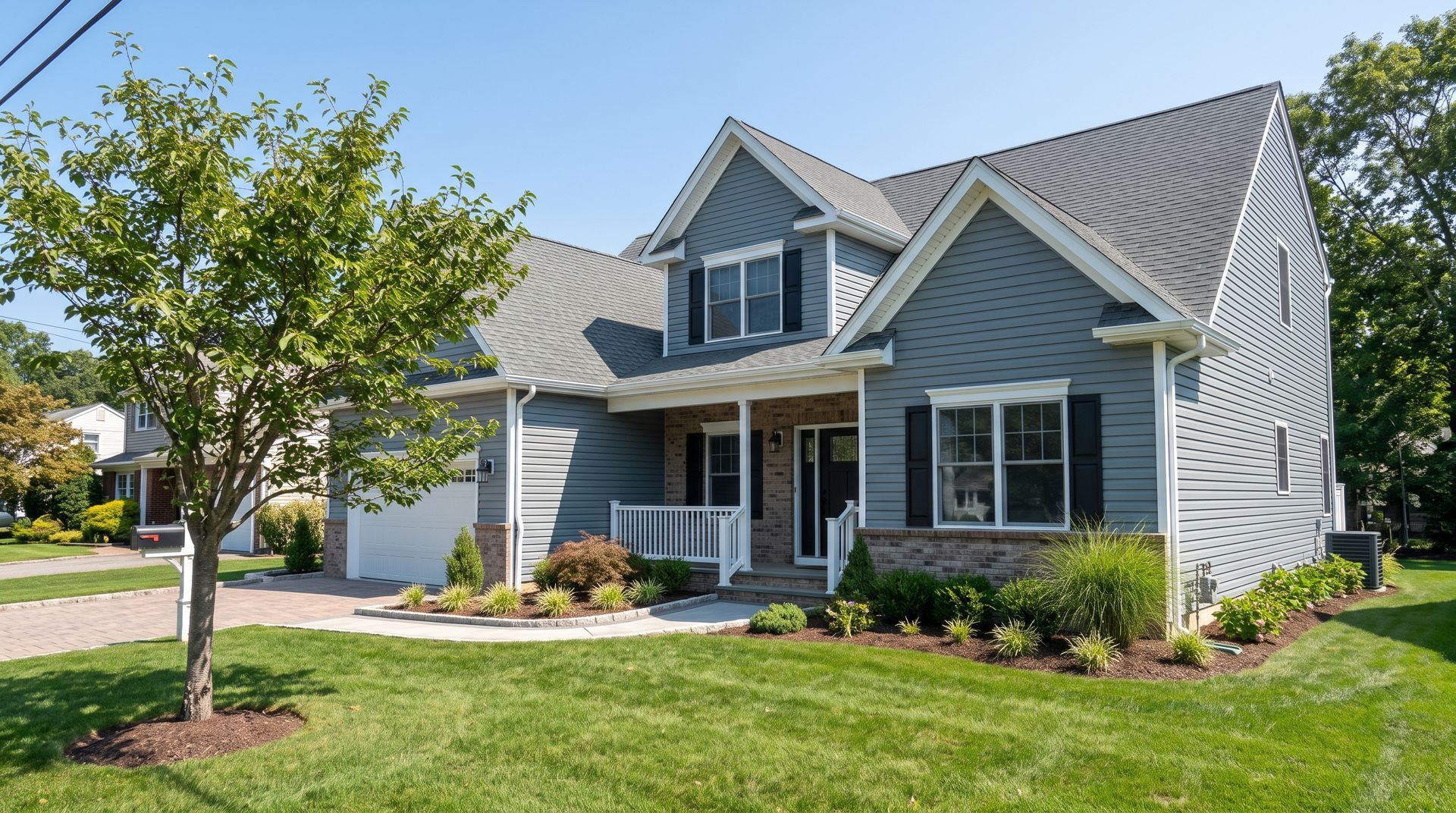
Ready Roof is a Bohemia-based roofing and exterior contractor serving Nassau and Suffolk Counties. Owner Ryan Coyne is a third-generation carpenter who specializes in roofing and framing, and our crew repairs the rotted fascia, stained siding, and wet basements that show up when roof water has nowhere to go. That is the perspective behind this guide: what gutters actually protect on a Long Island home, when a house can do without them, and what happens when they are missing or failing.
Quick Answer: Gutters are usually not required by code on Long Island, but most homes here need them. The residential code New York follows only requires a controlled method of roof drainage where expansive or collapsible soils are known to exist, which does not describe most Long Island lots. Without gutters, roof runoff lands right at the foundation, splashes siding and doors, erodes beds, and soaks the fascia and trim at the roof edge. A few homes with wide overhangs, well-drained sandy soil, and good grading can get by without them, but they are the exception.
In This Guide
- What the Building Code Says: Required or optional.
- What Gutters Protect: From foundation to fascia.
- What Happens Without Gutters: The damage we see.
- Where Downspouts Should Discharge: Finishing the job.
- Long Island Factors: Storms, groundwater, and dry wells.
- When a Home Can Skip Gutters: The exceptions.
- Alternatives to Gutters: And their limits.
- Signs Your Gutters Are Not Doing Their Job: Fix or replace.
- Get Your Roof Edge Checked: Free inspections.
- Frequently Asked Questions: Quick answers.
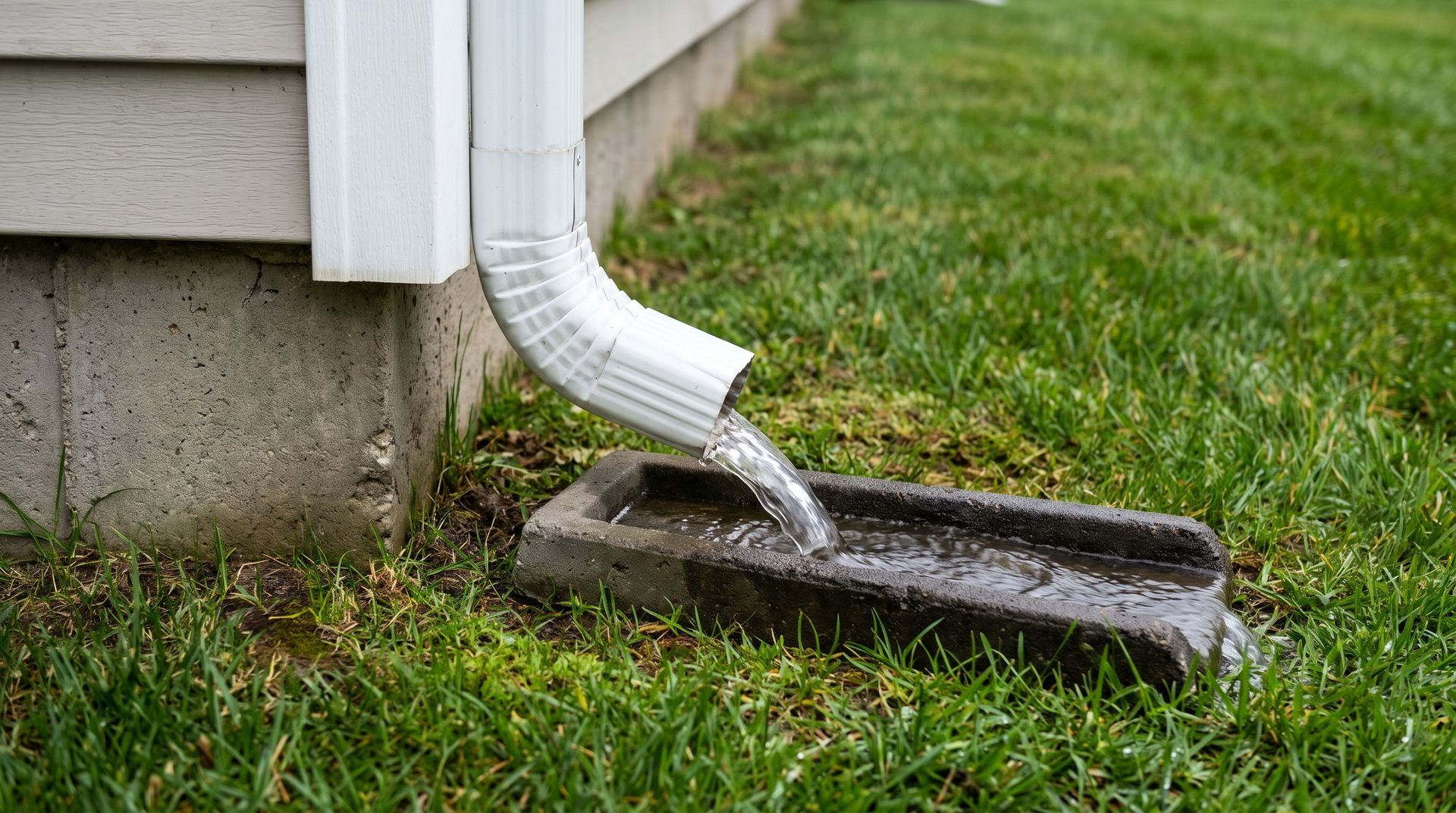
What the Building Code Says About Gutters
Only Required in Certain Soils
Section R801.3 of the International Residential Code, which New York's residential code is based on, deals with roof drainage. It says that in areas where expansive or collapsible soils are known to exist, homes must have a controlled method of collecting roof water and discharging it at least 5 feet from the foundation, or into an approved drainage system. Outside those soil conditions, the code does not require gutters.
Why That Does Not Settle the Question
Most of Long Island sits on sandy, glacial soils rather than the shrink-and-swell clay the code provision targets. So for most homeowners here, gutters are a choice. But the code sets a minimum for structural safety, not the standard for a dry basement, intact trim, or siding that lasts. Those are the reasons most Long Island homes have gutters anyway.
Underground Drainage Rules
The same section of the code also says that above-grade drainage such as gutters and downspouts should not be connected to the foundation drainage system. If your downspouts run underground, they should go to their own outlet or a dry well, not into a footing drain.
What Gutters Protect on Your Home
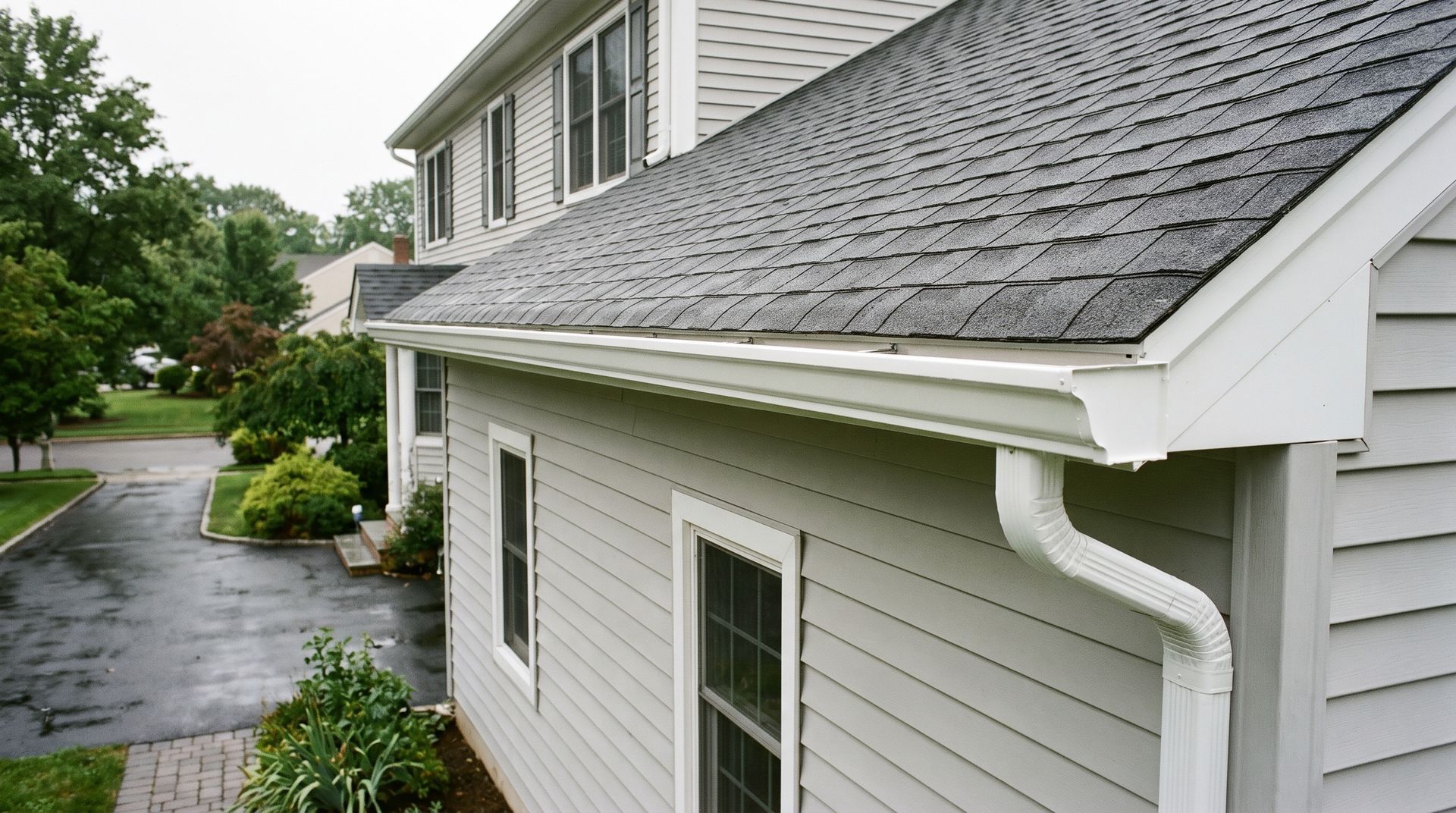
Gutters collect roof water at the edge and send it to a few controlled discharge points instead of letting it fall along every wall. The volume is larger than most people expect:
| Roof Area | Water From 1 Inch of Rain | Water From a 3-Inch Nor'easter |
|---|---|---|
| 1,000 sq ft | About 620 gallons | About 1,870 gallons |
| 1,500 sq ft | About 935 gallons | About 2,800 gallons |
| 2,000 sq ft | About 1,250 gallons | About 3,740 gallons |
| 2,500 sq ft | About 1,560 gallons | About 4,675 gallons |
Without gutters, all of that lands in a narrow strip around the house.
The Foundation and Basement
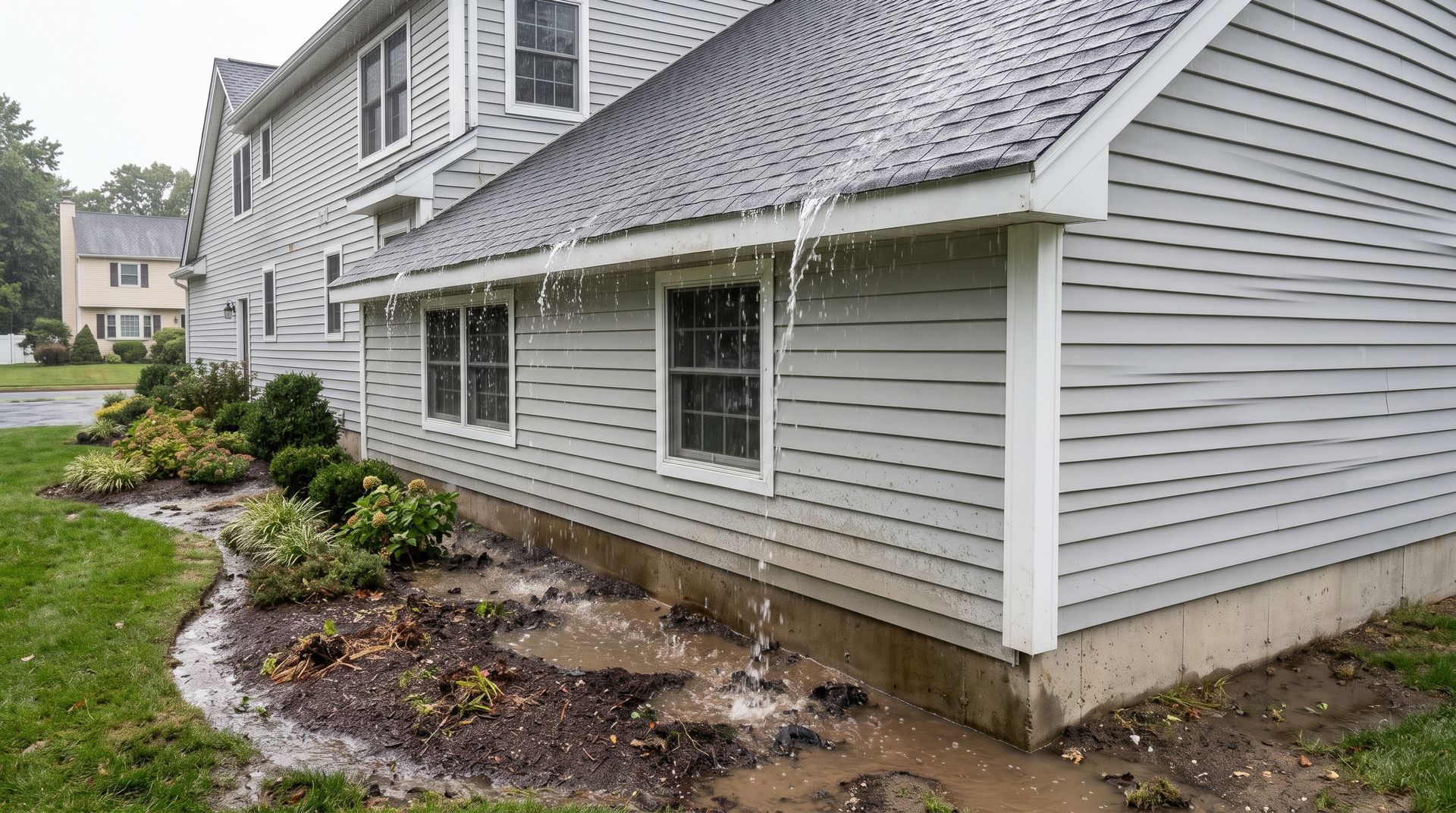
Water that drops straight off the roof edge lands in a strip right next to the foundation. Over time, it saturates the soil there, finds its way through cracks and joints, and shows up as damp basement walls, efflorescence, or standing water. Moving it a few feet away makes a real difference.
Siding, Windows, and Doors
Without gutters, rain splashes back up onto the bottom of the siding and pours over window and door heads. That keeps the lower siding, trim, and door thresholds wet, which leads to peeling paint, rot on wood trim, and stains on lighter siding. Our guide on how long vinyl siding lasts covers how moisture shortens siding life.
Entryways and Walkways
Water falling from the roof edge over a front step or walkway is a nuisance in summer and a hazard in winter, when it freezes into ice right where people walk.
Landscaping and Soil
Concentrated roof runoff carves trenches in mulch beds, washes out plantings, and moves soil away from the house. Losing soil along the foundation can reverse the grading so water flows toward the house instead of away.
The Roof Edge Itself
Even though gutters catch water after it leaves the roof, the roof edge depends on them. Fascia boards, rafter tails, and soffits stay drier when water is carried away cleanly, especially when the drip edge laps into the gutter.
What Happens to a Home Without Gutters
- Wet or leaking basements, especially along the wall under the longest roof edge.
- Rotted fascia and trim where water has run over the edge for years.
- Peeling paint and stains on the lower courses of siding.
- Washed-out beds and a trench along the drip line.
- Rot at door thresholds and the bottom of door frames.
- Ice patches on steps and walkways in winter.
- Soil settling next to the foundation, which can reverse the grading.
None of these happen overnight. They build slowly, which is why homeowners often do not connect them to the missing gutters until the repair bill arrives.
Where Downspouts Should Send the Water
Gutters only protect the house if the downspouts finish the job. Water dumped at the base of a downspout can do almost as much damage as no gutter at all.
Extensions and Splash Blocks
A downspout extension or splash block should carry water several feet from the foundation onto ground that slopes away. On lawns, flexible or hinged extensions can be lifted for mowing.
Underground Lines and Dry Wells
Burying a pipe from the downspout to a dry well or a daylight outlet keeps water away without anything visible on the lawn. These lines need a clean inlet, a proper slope, and occasional flushing, since leaves and grit from the gutters can build up inside them.
What to Avoid
Do not tie downspouts into a footing drain, which the code prohibits for above-grade drainage. Avoid aiming them onto a neighbor's property, a driveway that drains toward the garage, or a walkway that will freeze in winter.
Long Island Factors That Make Gutters Matter
Heavy, Wind-Driven Rain
Nor'easters and the remnants of tropical storms bring heavy rain, often blown sideways. Gutters sized for that kind of runoff keep it off walls and away from the foundation. Undersized gutters overflow in exactly those storms, which is why we often recommend 6-inch gutters on larger or steeper roofs.
High Groundwater in Some Areas
The U.S. Geological Survey has documented high groundwater and basement flooding in parts of southwestern Nassau and central Suffolk. In those neighborhoods, adding roof runoff to soil that is already wet makes basement problems more likely. Controlling where roof water goes is one of the few things a homeowner can easily change.
Dry Wells and Underground Lines
Many Long Island homes route downspouts into underground pipes or dry wells. Some town codes, such as North Hempstead's, allow residential roof leaders to drain either to the surface or to dry wells. Those systems only work if the gutters feeding them are collecting the water in the first place.
Winter Freeze-Thaw
In winter, water that drips off a roof edge without gutters freezes on steps, decks, and walks. Gutters also have their own winter challenges, which is why keeping them clean before the cold sets in matters. Our guide on
how often to clean gutters covers timing.
When a Home Can Skip Gutters
A section of the house may be fine without gutters if most of these are true:
- The roof overhang is deep enough to drop water well clear of the walls.
- The ground slopes clearly away from the foundation on that side.
- The soil drains quickly, with no puddles after a hard rain.
- There is no basement below that wall, or the basement has stayed dry for years.
- No entry, walkway, deck, or window well sits under that roof edge.
- The roof section is small, such as a porch roof or shed dormer.
Still Worth Asking
Even in these cases, look at where the water lands in a hard rain. If it splashes siding, hits a walkway, or pools anywhere near the house, a gutter on that section is usually worth it.
Do Metal Roofs Still Need Gutters?
Metal roofs shed water faster than shingles, which means runoff lands even harder at the drip line. They also shed snow in sheets that can tear standard gutters off the fascia. Homes with metal roofs usually still need gutters, but they often need heavier hangers, snow guards on the roof above them, or larger gutters set to handle the faster flow.
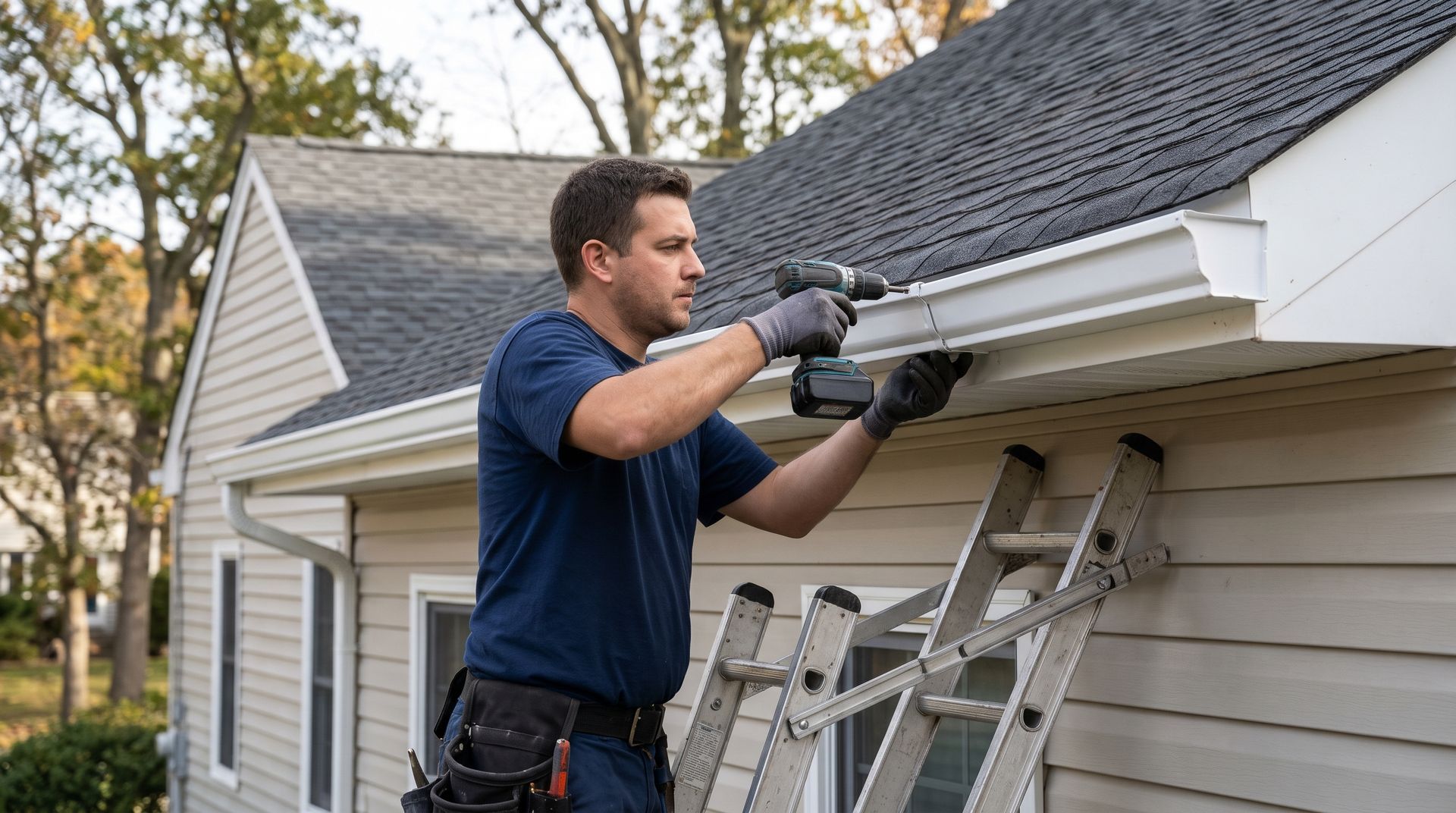
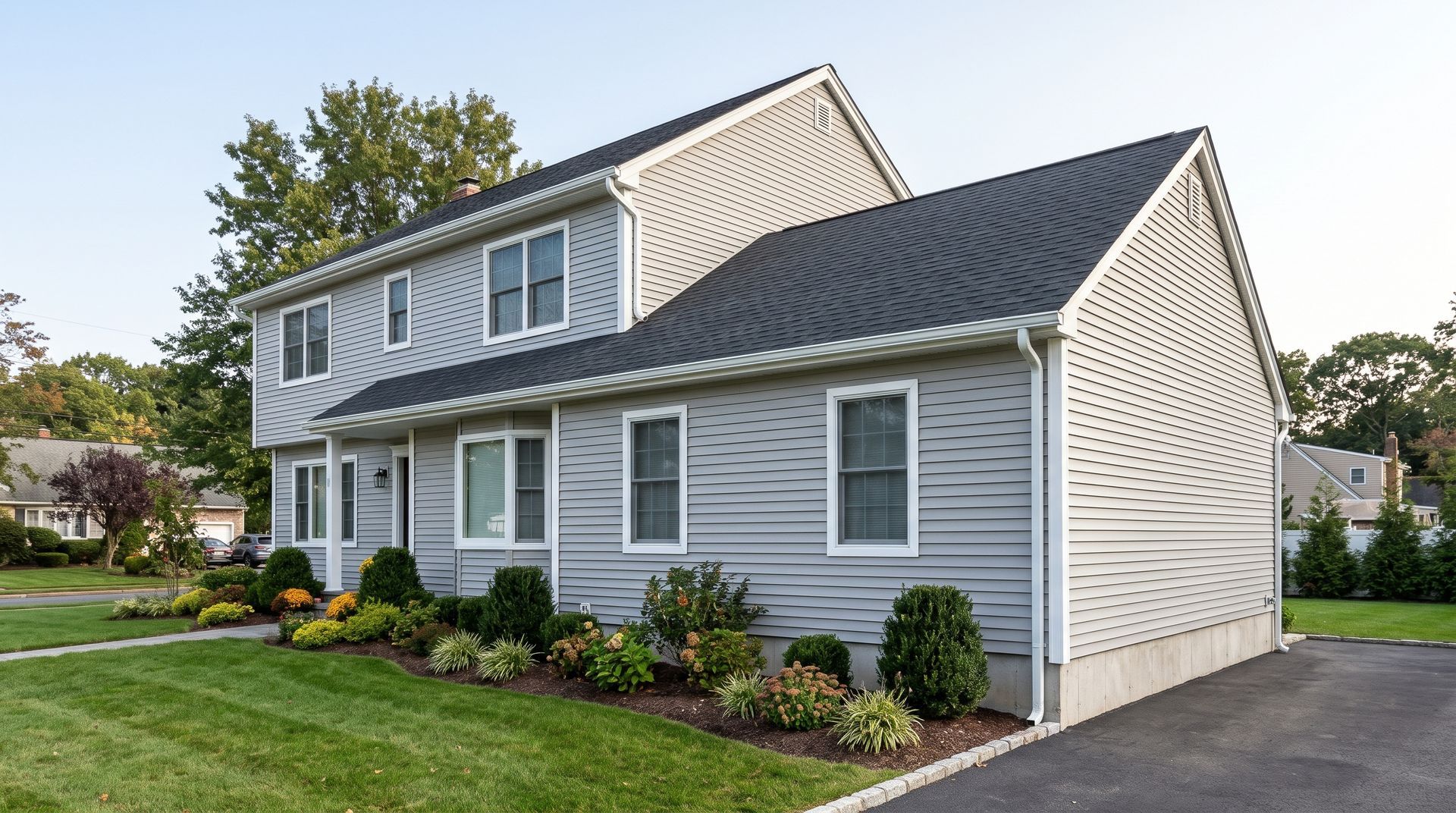
Alternatives to Gutters and Their Limits
Rain Diverters
Small metal diverters installed on the roof redirect water away from a door or walkway. They help in one spot but do not protect the rest of the house.
Drip-Line Trenches
A gravel trench under the roof edge, sometimes with a perforated pipe, can catch falling water and move it away. It needs proper slope and an outlet, and it can clog with soil and debris over time.
Grading
Sloping the soil away from the foundation helps no matter what, and it is part of any good drainage plan. On its own, it does not stop splash-back onto siding or erosion along the drip line.
Why Most Homes End Up With Gutters
Each alternative solves part of the problem. Gutters solve most of it at once by collecting the water at the roof edge and sending it to a few controlled spots.
Signs Your Gutters Are Not Doing Their Job
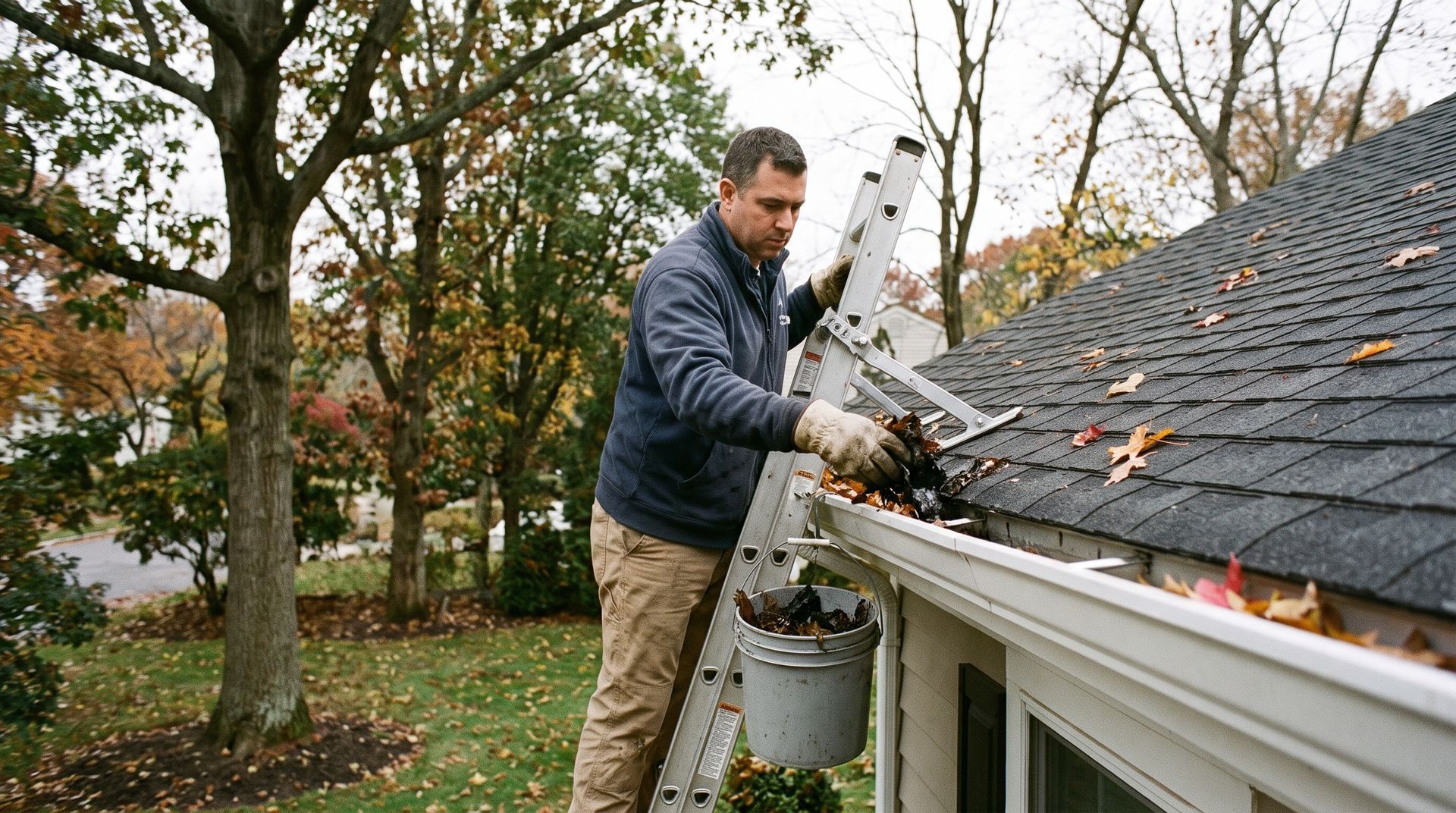
Having gutters is not the same as having working gutters. Clogged, sagging, or undersized systems can cause the same problems as having none at all, plus leaks at the roof edge. Watch for water spilling over the front edge in heavy rain, sections that hold standing water, gutters pulling away from the fascia, and stains or rot behind the gutter.
Our article on
whether gutters can cause roof leaks explains what happens when gutters back up. If you are thinking about new gutters, our guide on
what seamless gutters are covers the most common upgrade.
Get Your Gutters and Roof Edge Checked
If your home has no gutters, or the ones you have overflow, sag, or leak, we can inspect the roof edge and tell you what will actually help. Our gutter installation, repair, and replacement service covers seamless gutters, downspouts, guards, and fascia repair. For general pricing, see our guide to gutter installation cost on Long Island.
We serve homeowners across Nassau and Suffolk Counties, including
Bohemia,
Smithtown,
Bay Shore, and
Levittown. Call Ready Roof at (631) 705-8817 or
contact us online for a free inspection.
Frequently Asked Questions
Are gutters required by code on Long Island?
Usually not. The residential code New York follows only requires a controlled method of roof drainage where expansive or collapsible soils are known to exist. Check with your town building department for local rules.
Is it bad to not have gutters?
For most homes, yes. Without gutters, roof water lands at the foundation, splashes siding and doors, erodes landscaping, and keeps the roof edge wet. Over time, that leads to basement moisture and rot.
Do gutters prevent basement flooding?
They help a lot by moving roof water away from the foundation. They will not stop flooding caused by high groundwater on their own, but they keep roof runoff from adding to the problem.
Can I have gutters on only part of my house?
Yes. Some homes only need gutters on the sides where water causes problems, such as over entries, decks, or walls above a basement. A roofer can help decide which sections matter most.
How far should downspouts discharge from the house?
At least several feet away from the foundation, onto ground that slopes away from the house, or into an underground line or dry well. The code calls for at least 5 feet in areas with expansive or collapsible soils.
Recent Posts