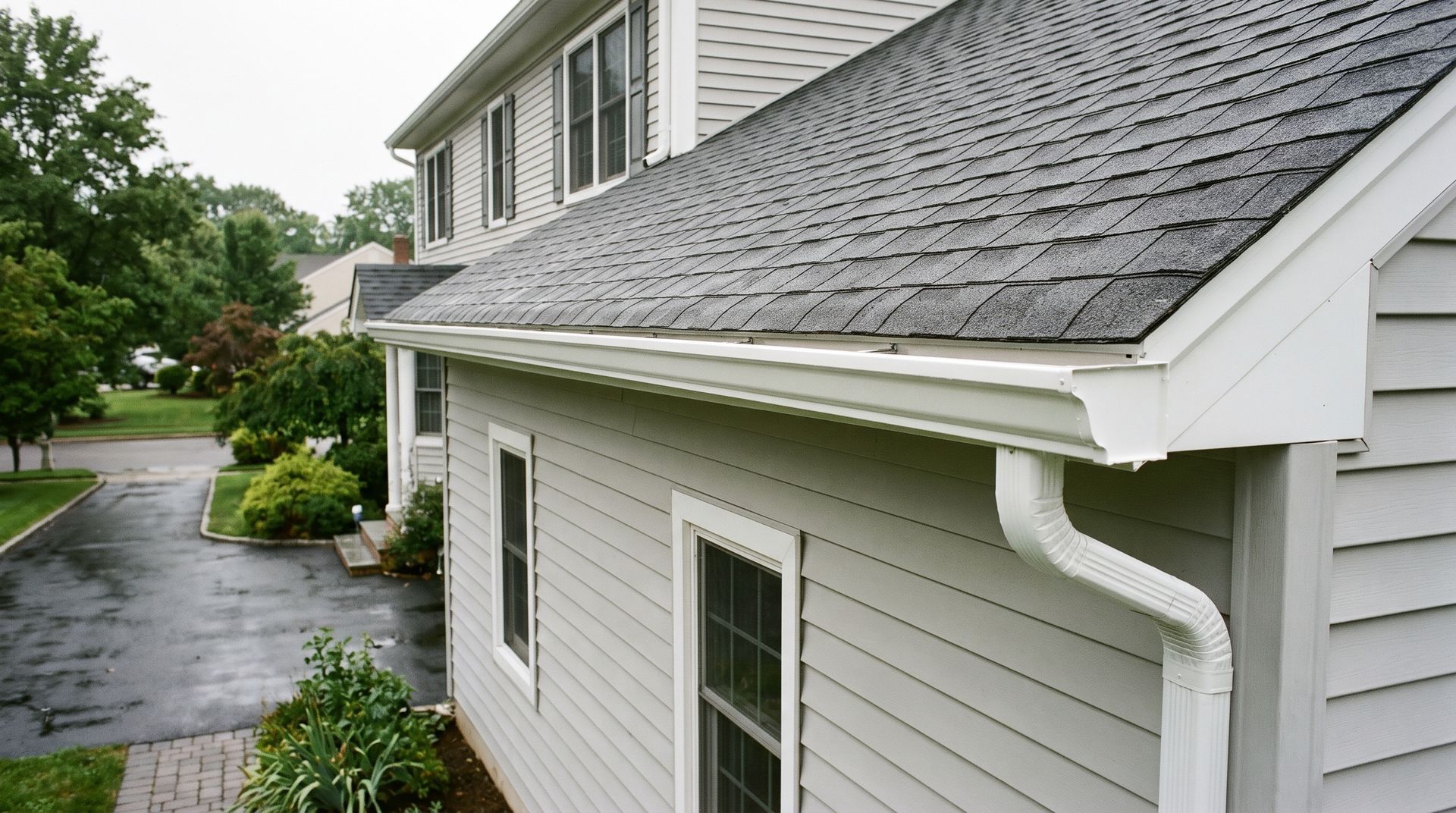
How Often Should You Clean Your Gutters?
November 20, 2026
Ready Roof installs, repairs, and cleans gutters across Nassau and Suffolk Counties from our base in Bohemia. Owner Ryan Coyne is a third-generation carpenter who specializes in roofing and framing, and our crew sees the results of skipped cleanings every year: sagging gutters, rotted fascia, and clogged underground drain lines. This guide explains how often Long Island gutters really need cleaning and how to set a schedule that fits the trees around your house.
Quick Answer: Most Long Island homes should have their gutters cleaned at least twice a year, once in late spring and once in late fall after the last leaves come down. Homes under oaks, maples, or pines often need three or four cleanings a year, while homes with few nearby trees or good gutter guards may get by with one cleaning plus a visual check. The late fall cleaning is the most important, because gutters that go into winter full of wet leaves are the ones that freeze, overflow, and pull loose.
In This Guide
- A Cleaning Schedule by Tree Cover: How often your home needs it.
- The Best Times to Clean on Long Island: Spring, fall, and after storms.
- What Clogs Long Island Gutters: Oaks, pines, and more.
- Signs Your Gutters Need Cleaning Now: Do not wait for the calendar.
- Why Skipped Cleanings Get Expensive: What we repair.
- Do Gutter Guards Change the Schedule?: Less often, not never.
- Clean Gutters Last Longer: Lifespan and upkeep.
- Around Roof and Siding Projects: Before and after.
- Cleaning Gutters Safely: DIY or hire it out.
- What a Professional Cleaning Includes: Beyond the scoop.
- Schedule a Gutter Cleaning: Ready Roof service.
- Frequently Asked Questions: Quick answers.
A Gutter Cleaning Schedule by Tree Cover
| Your Lot | Typical Cleanings Per Year | When |
|---|---|---|
| Few or no trees nearby | 1 to 2 | Late fall, plus a spring check |
| A few trees, not overhanging the roof | 2 | Late spring and late fall |
| Oaks or maples over or beside the roof | 3 to 4 | Spring, early fall, late fall, and after big storms |
| Pines over or beside the roof | 3 to 4 | Spring, late summer, and fall, plus needle checks |
| Gutter guards installed | 1, plus checks | Annual cleaning of the guard surface and downspouts |
Why the Late Fall Cleaning Matters Most
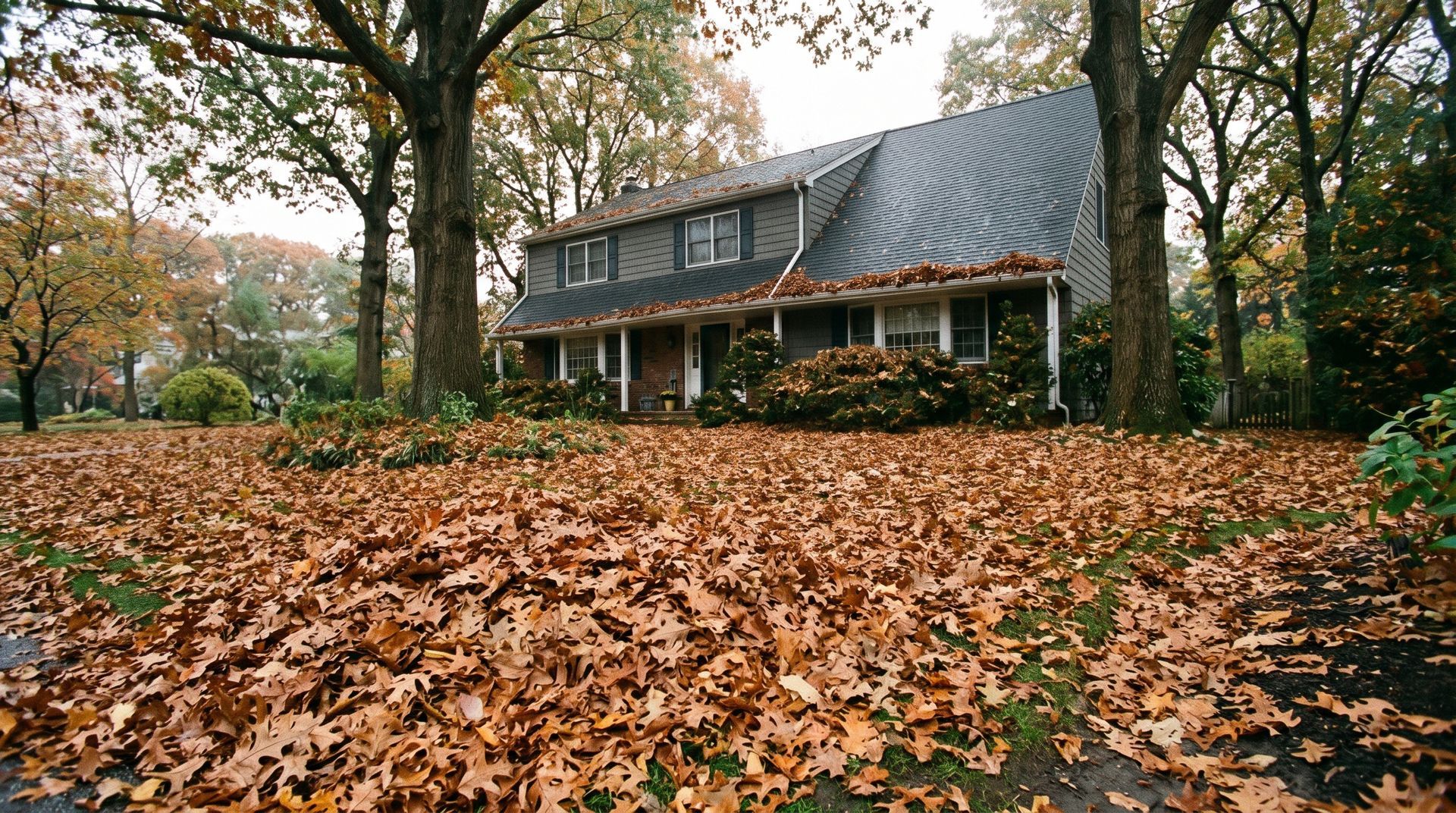
Oaks hold their leaves later than most trees, so many Long Island lots get one more heavy leaf drop after the first fall cleanup. A gutter that goes into December full of wet leaves holds water, freezes, and adds weight to the fascia all winter. Timing the last cleaning after the trees are bare protects the gutters through the cold months.
The Best Times to Clean Gutters on Long Island
Late Spring
Spring cleaning clears out what winter left behind: twigs, shingle grit, and the maple seeds that drop in late spring. It also gets the gutters ready for summer thunderstorms, which can dump heavy rain in a short time.
Early Fall
If your lot has heavy tree cover, a cleaning in October clears the first wave of leaves before they pack down and start to rot in the trough.
Late Fall
This is the cleaning that matters most. Aim for late November or early December, once most of the oaks and maples are bare and before temperatures stay below freezing.
After Major Storms
Nor'easters and summer thunderstorms knock down twigs, small branches, and leaves that can block downspout openings in a single afternoon. A quick look from the ground after a big storm can catch a clog before it causes an overflow.
What Clogs Long Island Gutters
Oak Leaves
Oaks are common across much of Long Island. Their leaves are large and tough, break down slowly, and pack tightly into gutters and downspout openings.
Pine Needles
Pitch pines dominate parts of central and eastern Suffolk, and other pines are common in yards across the island. Needles slip through many basic gutter screens and mat together into a dense layer that blocks water.
Maple Seeds
Maple "helicopters" drop in late spring and can fill a gutter in a few days. They also sprout in the damp debris left in the trough.
Shingle Granules
Granules washing off an aging roof settle like sand in the bottom of the gutter and slow the flow. Heavy grit at the downspouts can also be an early sign the roof is wearing out. Our guide to the signs you need a new roof covers what else to look for.
Nests and Organic Buildup
Birds and insects nest in neglected gutters, and the soil that forms from rotting leaves can support weeds and small seedlings right in the trough.
Signs Your Gutters Need Cleaning Now
- Water spilling over the front edge during a normal rain.
- Weeds or seedlings sprouting from the debris in the trough.
- Gutters sagging or pulling away from the fascia.
- Water dripping from behind the gutter instead of from the downspouts.
- Downspouts that barely flow or gurgle during rain.
- Dirt lines or stains on the siding below the gutters.
- Birds, wasps, or rodents active in the gutters.
- Water in the basement along the wall under a gutter that should be draining away.
Why Skipped Cleanings Get Expensive
Fascia and Roof Edge Damage
When gutters overflow, water spills behind them and soaks the fascia board. Over a few seasons, the wood rots, hangers loosen, and the gutter starts to sag. Repairing fascia costs more than cleaning, and it often has to be done before new gutters can be hung. Our roof fascia repair page covers what that repair involves.
Leaks at the Roof Edge
Backed-up water can work its way into the soffit and the top of the walls, and in winter it can help ice dams form along the eaves. Our article on whether gutters can cause roof leaks covers how that happens.
Clogged Underground Lines and Dry Wells
On homes where downspouts feed underground pipes or dry wells, leaves and grit that wash out of a clogged gutter end up in those lines, where they are much harder and more expensive to clear than a gutter. Keeping gutters clean protects the drainage system beneath your yard as well.
Basement and Foundation Problems
When gutters overflow along one wall, all that water lands at the foundation. In neighborhoods where groundwater already runs high, that extra water can be enough to push moisture into the basement.
Do Gutter Guards Change the Schedule?
Less Often, Not Never
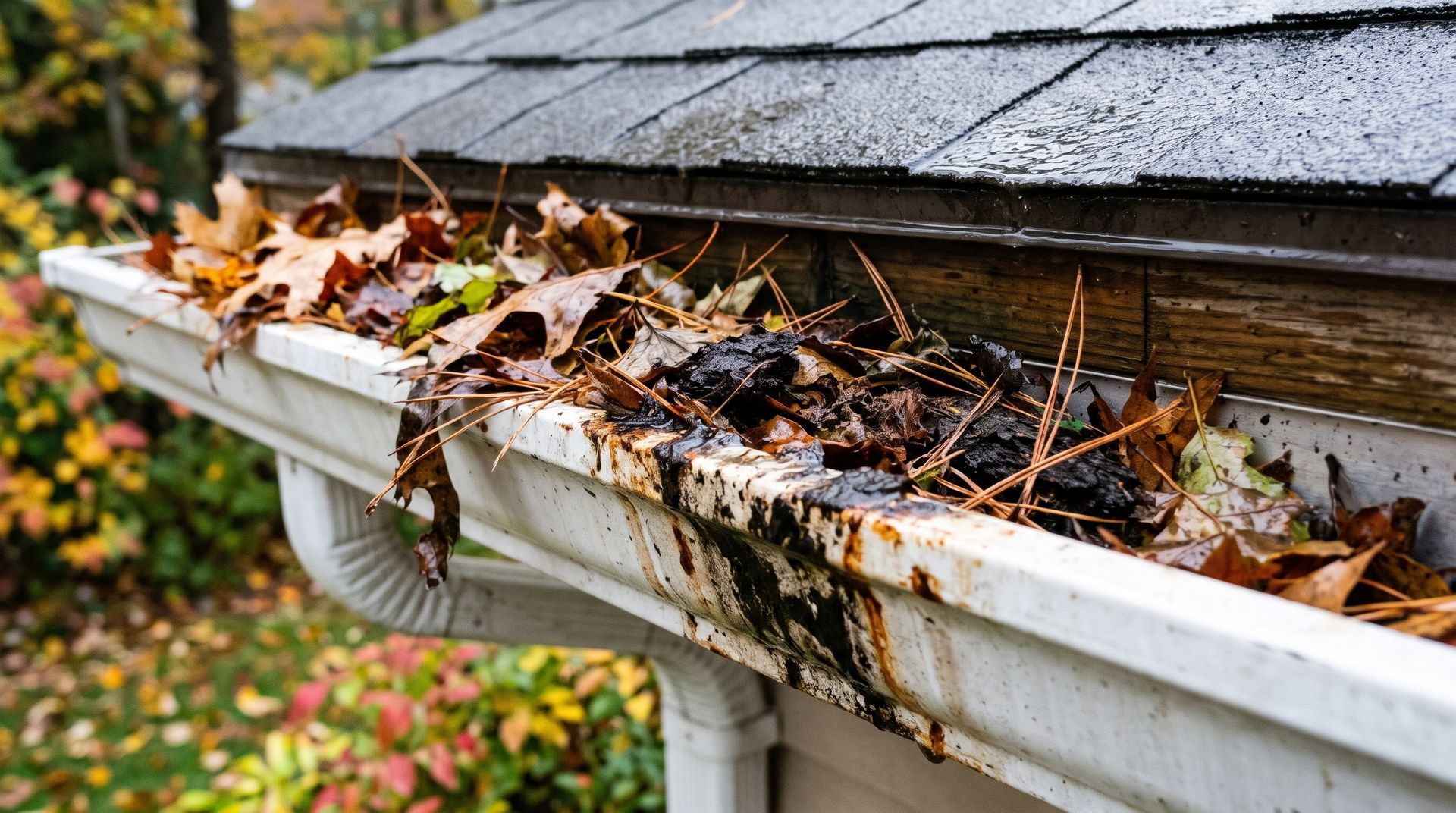
Guards keep most leaves out of the trough, which cuts down how often a full cleaning is needed. They do not make gutters maintenance-free. Leaves and needles can sit on top of a guard and block water from getting in, and fine grit still washes through and settles in the bottom.
Match the Guard to the Trees
Screen guards work well against large oak and maple leaves but can let pine needles through. Micro-mesh guards stop finer debris but may need their surface brushed off periodically. Choosing the right guard for the trees on your lot makes the biggest difference in how much cleaning you avoid.
Plan on an Annual Check
Even with guards, plan to have the gutters and downspouts checked and flushed at least once a year, usually in late fall.
Clean Gutters Last Longer
Quality aluminum gutters commonly last 20 to 30 years with proper installation and regular cleaning. Neglect shortens that a lot. Wet debris left sitting in the trough holds moisture against the metal and the sealant at corners, and the extra weight strains hangers every time it rains or freezes. Gutters that are cleaned on schedule tend to stay straight, drain properly, and keep their seals much longer. When a system is already sagging or leaking at several joints, cleaning helps less, and replacement may be the better investment.
Cleaning Around Roof and Siding Projects
Before a Roof Replacement
Clean or at least clear the gutters before a roof replacement starts. That makes it easier to see the condition of the gutters and fascia, and it helps decide whether to replace the gutters at the same time. For the full sequence of a reroof, see our guide to the roof replacement process.
After Roof or Siding Work
Roofing and siding projects send nails, granules, and small debris into the gutters. A good crew clears them during cleanup, but it is worth checking that downspouts are flowing after the job is done.
Cleaning Gutters Safely
When DIY Makes Sense
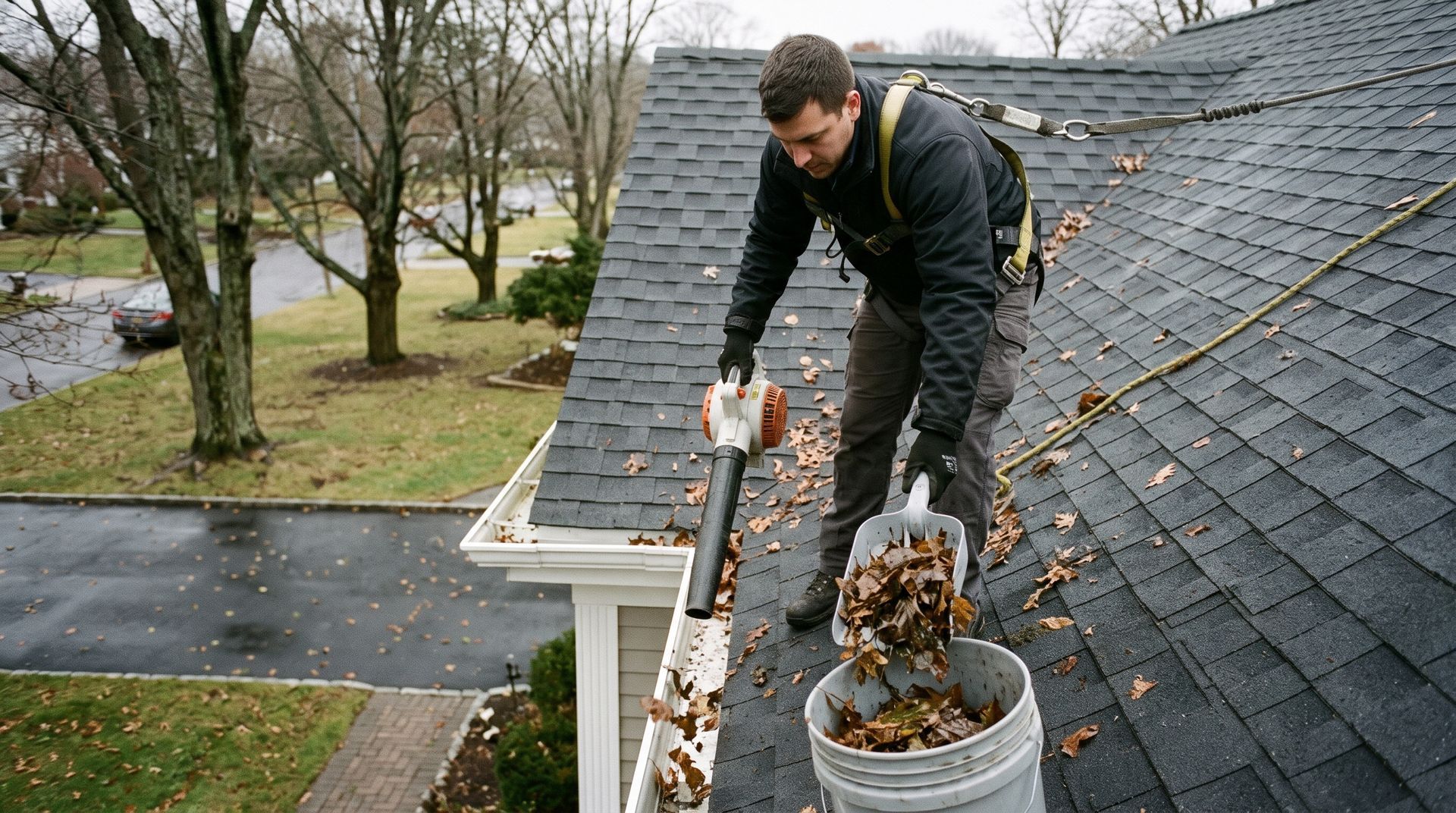
On a single-story home with stable, level ground, many homeowners clean their own gutters with a sturdy ladder, gloves, a gutter scoop, and a hose to flush the downspouts. Set the ladder on firm ground, never lean it against the gutter itself, and have someone hold it.
When to Hire It Out
Two-story homes, steep slopes, wet or icy conditions, and roofs over decks or patios all raise the risk considerably. Falls from ladders are a common cause of serious home injuries. If the job means leaning out from a tall ladder or stepping onto the roof, it is safer to have a crew handle it.
What Not to Do
Avoid pressure washing gutters from the roof, which can lift shingles and force water under them. Do not walk on a wet or frosty roof, and do not pull down on a gutter to steady yourself.
What a Professional Gutter Cleaning Includes
When our crew cleans gutters, the visit covers:
- Removing debris from every run, including corners where leaves pack in.
- Flushing each downspout to confirm water flows freely to the outlet.
- Checking hangers and pitch so water does not sit in the trough.
- Inspecting corners, end caps, and outlets for leaks or failed sealant.
- Looking at the fascia and drip edge for soft wood or gaps behind the gutter.
- Checking the lower roof edge for lifted shingles or worn flashing.
Cleaning is the easiest time to spot those problems before they turn into a bigger repair.
If we find damage, we will explain what we see and whether a repair or replacement makes more sense. Our guide on
what seamless gutters are covers the most common upgrade for older, leaky systems.
Schedule a Gutter Cleaning on Long Island
Our gutter services include cleaning, repair, guards, and seamless gutter installation. We serve homeowners across Nassau and Suffolk Counties, including Bohemia, Holbrook, Medford, Smithtown, and West Islip.
Call Ready Roof at (631) 705-8817 or
contact us online
to schedule a cleaning or a free inspection of your gutters and roof edge.
Frequently Asked Questions
How often should gutters be cleaned on Long Island?
At least twice a year for most homes, in late spring and late fall. Homes under oaks, maples, or pines often need three or four cleanings a year.
What is the best month to clean gutters?
Late November or early December is the most important cleaning, after most leaves have fallen and before gutters freeze. A second cleaning in late spring clears seeds and winter debris.
Do I need to clean gutters if I have gutter guards?
Yes, but less often. Guards keep most debris out, but leaves can sit on top, and grit still settles inside. Plan on at least one check and flush each year.
What happens if you never clean your gutters?
Clogged gutters overflow, rot the fascia, sag or pull loose, clog underground drain lines, and send water toward the foundation. In winter, they can also contribute to ice dams.
How long does a professional gutter cleaning take?
Most single-family homes take one to a few hours, depending on the number of runs, the height of the house, and how much debris has built up.
Recent Posts